
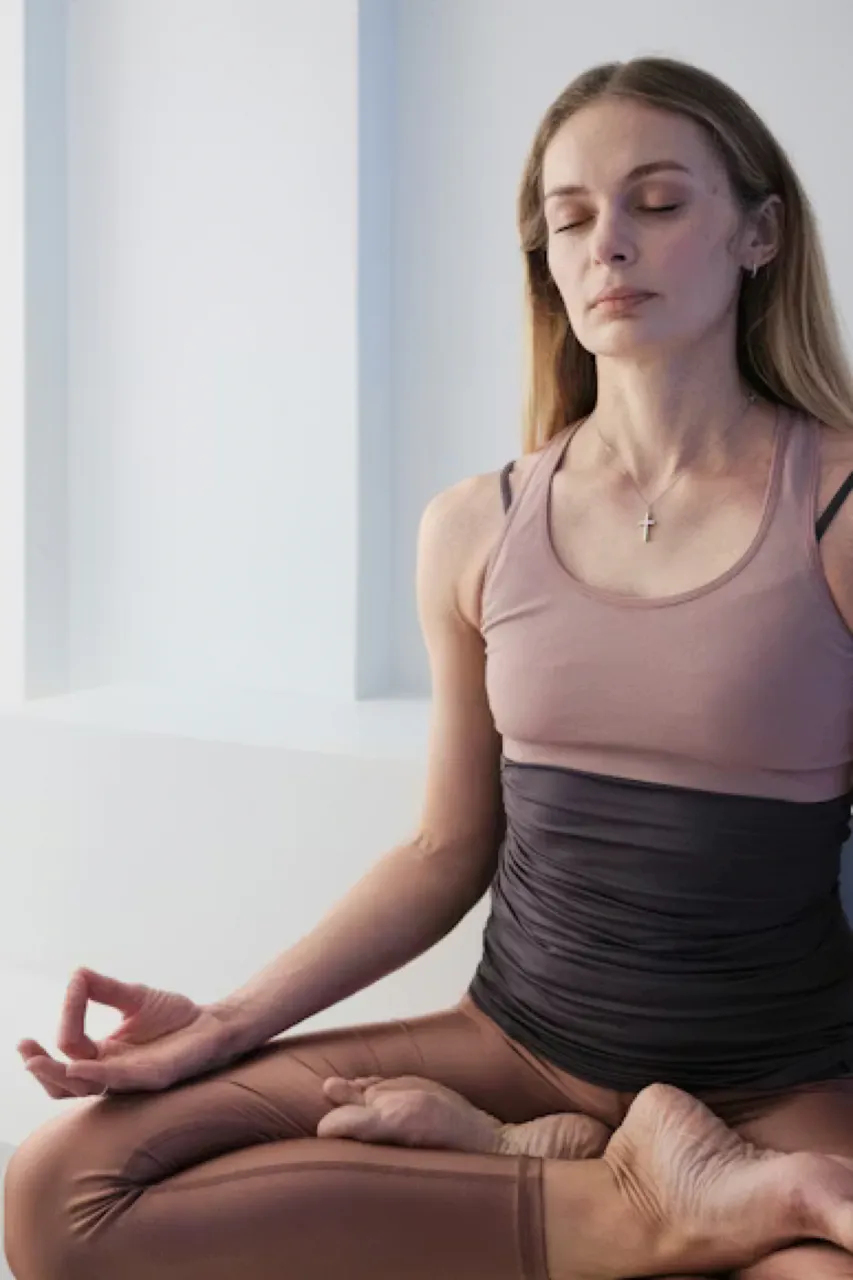
Many of us carry our daily stress in our shoulders, but the pelvic floor acts as a second "emotional basement." When you face a deadline or a difficult conversation, these deep muscles often contract instinctively. Consequently, releasing pelvic floor tension requires more than just physical stretching; it requires a mental shift into a state of safety. By using mindfulness, you can teach your nervous system to drop the "protective shield" it has built around your core.
The "Scan and Soften" Technique 🧘
Most people don't realize they are clenching until they consciously look for it. Therefore, a daily body scan helps you identify the subtle "micro-squeezes" you perform throughout the day. Similarly, this awareness acts as the primary tool for releasing pelvic floor tension.
- The Jaw-Pelvis Link: Did you know your jaw and pelvis are neurologically connected? If you grit your teeth, you likely clench your pelvic floor too. In fact, softening your mouth often triggers a release in your base.
- The "Drop" Visualization: Imagine your pelvic floor as a soft hammock. On every exhale, visualize that hammock widening and lowering toward the floor.
- Non-Judgmental Awareness: Simply notice the tension without labeling it as "bad." Curiosity reduces the brain's alarm response.
Research from the Mayo Clinic suggests that mindfulness techniques significantly lower muscle guarding in chronic pain patients.
Breath as a Natural Relaxant 🌬️
Your breath is the physical bridge between your mind and your muscles. Furthermore, it is the fastest way to begin releasing pelvic floor tension.
1. 360-Degree Expansion

As we noted in our Breathing For Pelvic Health : Simple Daily Techniques That Make A Big Difference guide, your ribs and belly should expand outward. This expansion creates a gentle downward pressure that coaxes the pelvic floor to lengthen.
2. The Audible Sigh
Exhaling with a "sigh" sound vibrates the vagus nerve. Additionally, this vibration signals your parasympathetic nervous system to take over, which naturally aids in releasing pelvic floor tension after a long day.
[Image showing the connection between the brain, the breath, and the pelvic floor]
🛠️ Tools to Enhance Your Practice
Sometimes, a physical "anchor" helps the mind focus on the release. Moreover, these tools provide the tactile feedback needed to confirm your muscles are actually softening.
- The "Relief" Heat Wrap: Warmth encourages blood flow and signals "safety" to the deep tissues.
- Magnesium Supplements: These support the chemical relaxation of muscle fibers from the inside out.
- The Pelvicore Magic Ring: While often used for strength, holding the ring during a stretch can help you find the correct alignment for a deeper release.
According to the Cleveland Clinic, "down-training" the pelvic floor is just as important as strengthening it. Consequently, mindfulness serves as a vital pillar in any Postpartum Pelvic Floor Recovery: A Week-By-Week Guide To Safe Return To Exercise.
🌸 LUNAYA NOTE
Your body is valid, and your tension is simply a sign that you have been trying to protect yourself. Healing is allowed, and it begins the moment you give yourself permission to soften. Trust that releasing pelvic floor tension is a journey of reclaiming your comfort, one breath at a time. Awareness is power.
Explore Lunaya's Wellness Essentials now! 🌙
Many of us carry our daily stress in our shoulders, but the pelvic floor acts as a second "emotional basement." When you face a deadline or a difficult conversation, these deep muscles often contract instinctively. Consequently, releasing pelvic floor tension requires more than just physical stretching; it requires a mental shift into a state of safety. By using mindfulness, you can teach your nervous system to drop the "protective shield" it has built around your core.
The "Scan and Soften" Technique 🧘
Most people don't realize they are clenching until they consciously look for it. Therefore, a daily body scan helps you identify the subtle "micro-squeezes" you perform throughout the day. Similarly, this awareness acts as the primary tool for releasing pelvic floor tension.
- The Jaw-Pelvis Link: Did you know your jaw and pelvis are neurologically connected? If you grit your teeth, you likely clench your pelvic floor too. In fact, softening your mouth often triggers a release in your base.
- The "Drop" Visualization: Imagine your pelvic floor as a soft hammock. On every exhale, visualize that hammock widening and lowering toward the floor.
- Non-Judgmental Awareness: Simply notice the tension without labeling it as "bad." Curiosity reduces the brain's alarm response.
Research from the Mayo Clinic suggests that mindfulness techniques significantly lower muscle guarding in chronic pain patients.
Breath as a Natural Relaxant 🌬️
Your breath is the physical bridge between your mind and your muscles. Furthermore, it is the fastest way to begin releasing pelvic floor tension.
1. 360-Degree Expansion
As we noted in our Breathing For Pelvic Health : Simple Daily Techniques That Make A Big Difference guide, your ribs and belly should expand outward. This expansion creates a gentle downward pressure that coaxes the pelvic floor to lengthen.
2. The Audible Sigh
Exhaling with a "sigh" sound vibrates the vagus nerve. Additionally, this vibration signals your parasympathetic nervous system to take over, which naturally aids in releasing pelvic floor tension after a long day.
[Image showing the connection between the brain, the breath, and the pelvic floor]
🛠️ Tools to Enhance Your Practice
Sometimes, a physical "anchor" helps the mind focus on the release. Moreover, these tools provide the tactile feedback needed to confirm your muscles are actually softening.
- The "Relief" Heat Wrap: Warmth encourages blood flow and signals "safety" to the deep tissues.
- Magnesium Supplements: These support the chemical relaxation of muscle fibers from the inside out.
- The Pelvicore Magic Ring: While often used for strength, holding the ring during a stretch can help you find the correct alignment for a deeper release.
According to the Cleveland Clinic, "down-training" the pelvic floor is just as important as strengthening it. Consequently, mindfulness serves as a vital pillar in any Postpartum Pelvic Floor Recovery: A Week-By-Week Guide To Safe Return To Exercise.
🌸 LUNAYA NOTE
Your body is valid, and your tension is simply a sign that you have been trying to protect yourself. Healing is allowed, and it begins the moment you give yourself permission to soften. Trust that releasing pelvic floor tension is a journey of reclaiming your comfort, one breath at a time. Awareness is power.
Explore Lunaya's Wellness Essentials now! 🌙
Many of us carry our daily stress in our shoulders, but the pelvic floor acts as a second "emotional basement." When you face a deadline or a difficult conversation, these deep muscles often contract instinctively. Consequently, releasing pelvic floor tension requires more than just physical stretching; it requires a mental shift into a state of safety. By using mindfulness, you can teach your nervous system to drop the "protective shield" it has built around your core.
The "Scan and Soften" Technique 🧘
Most people don't realize they are clenching until they consciously look for it. Therefore, a daily body scan helps you identify the subtle "micro-squeezes" you perform throughout the day. Similarly, this awareness acts as the primary tool for releasing pelvic floor tension.
- The Jaw-Pelvis Link: Did you know your jaw and pelvis are neurologically connected? If you grit your teeth, you likely clench your pelvic floor too. In fact, softening your mouth often triggers a release in your base.
- The "Drop" Visualization: Imagine your pelvic floor as a soft hammock. On every exhale, visualize that hammock widening and lowering toward the floor.
- Non-Judgmental Awareness: Simply notice the tension without labeling it as "bad." Curiosity reduces the brain's alarm response.
Research from the Mayo Clinic suggests that mindfulness techniques significantly lower muscle guarding in chronic pain patients.
Breath as a Natural Relaxant 🌬️
Your breath is the physical bridge between your mind and your muscles. Furthermore, it is the fastest way to begin releasing pelvic floor tension.
1. 360-Degree Expansion
As we noted in our Breathing For Pelvic Health : Simple Daily Techniques That Make A Big Difference guide, your ribs and belly should expand outward. This expansion creates a gentle downward pressure that coaxes the pelvic floor to lengthen.
2. The Audible Sigh
Exhaling with a "sigh" sound vibrates the vagus nerve. Additionally, this vibration signals your parasympathetic nervous system to take over, which naturally aids in releasing pelvic floor tension after a long day.
[Image showing the connection between the brain, the breath, and the pelvic floor]
🛠️ Tools to Enhance Your Practice
Sometimes, a physical "anchor" helps the mind focus on the release. Moreover, these tools provide the tactile feedback needed to confirm your muscles are actually softening.
- The "Relief" Heat Wrap: Warmth encourages blood flow and signals "safety" to the deep tissues.
- Magnesium Supplements: These support the chemical relaxation of muscle fibers from the inside out.
- The Pelvicore Magic Ring: While often used for strength, holding the ring during a stretch can help you find the correct alignment for a deeper release.
According to the Cleveland Clinic, "down-training" the pelvic floor is just as important as strengthening it. Consequently, mindfulness serves as a vital pillar in any Postpartum Pelvic Floor Recovery: A Week-By-Week Guide To Safe Return To Exercise.
🌸 LUNAYA NOTE
Your body is valid, and your tension is simply a sign that you have been trying to protect yourself. Healing is allowed, and it begins the moment you give yourself permission to soften. Trust that releasing pelvic floor tension is a journey of reclaiming your comfort, one breath at a time. Awareness is power.
Explore Lunaya's Wellness Essentials now! 🌙


