
Your pelvic floor forms the foundation of core stability, bladder control, and overall confidence. Therefore, when weakened by pregnancy, childbirth, or lifestyle factors, it can lead to leaks, discomfort, or even prolapse. That’s why practicing pelvic floor moves consistently is essential: it helps you regain control, improve posture, and prevent future complications.
If you’re new to pelvic health, for example, check our guide on The Importance of Pelvic Floor Rehabilitation to understand why strengthening these muscles is so vital. Moreover, knowing the benefits will motivate you to stay consistent.
Simple Pelvic Floor Moves You Can Start Today
Here are some safe and effective movements you can try:
1. The Classic Kegel 💪
Sit or lie comfortably. Then, contract your pelvic muscles as if stopping urine flow. Hold 3–5 seconds, and subsequently release. Repeat 10 times, 2–3 times daily.
✨ Tip: Start with short holds and gradually increase for better results. Additionally, consistency matters more than duration.
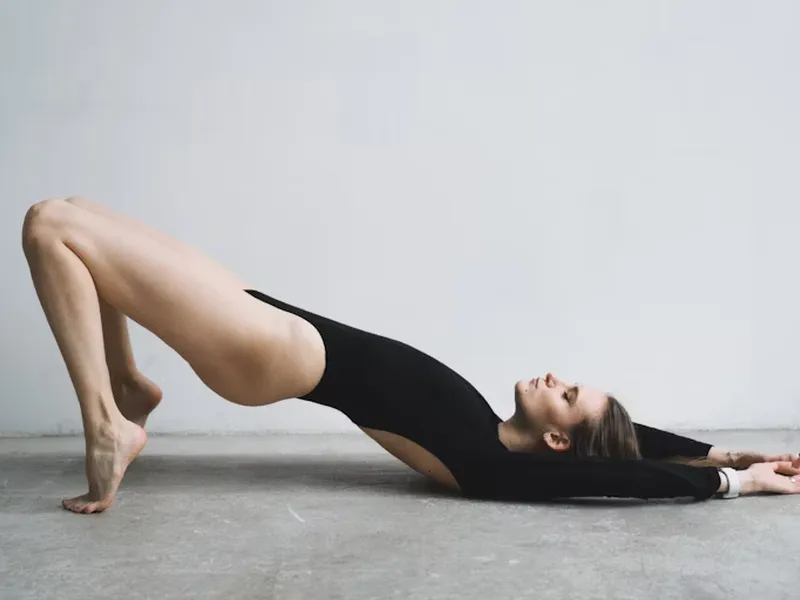
2. Bridge Pose 🧘♀️
Lie flat with knees bent. Lift your hips while engaging your pelvic floor. Hold, then lower slowly. Repeat 8–10 times. This move, similarly, combines glute activation with pelvic control, enhancing stability.
3. Squats 🏋️♀️
Stand with feet shoulder-width apart. Lower into a squat while slightly contracting your pelvic floor, then rise back up. Perform 10–12 reps. Squats strengthen the legs and complement pelvic floor training effectively. Furthermore, practicing regularly improves overall posture.
4. Heel Slides 🦶
Lie on your back with knees bent. Slide one heel forward while engaging the pelvic floor, then return. Alternate sides. This gentle move supports recovery and builds endurance gradually. As a result, you’ll notice improved muscle control over time.
5. Breathing with Core Connection 🌬️
Deep diaphragmatic breathing coordinates the pelvic floor and core. Inhale to relax, exhale to engage gently. This reduces tension and improves muscle control over time. In addition, it teaches awareness of your core during daily activities.

Benefits of Pelvic Floor Moves
- 💪 Enhanced core stability
- 🚫 Reduced risk of leaks
- 🤰 Support for postpartum recovery
- 🌸 Improved confidence and comfort
Supportive Tools for Training
Alongside exercises, tools such as Classic Kegel Balls, Smart Pelvic Trainers, and App-Controlled Kegel Balls can provide resistance and feedback. These pelvic floor essentials guide women through every stage of their journey—whether starting gently or progressing to more challenging routines.
Moreover, pairing exercises with tools accelerates results and builds confidence.
Final Thoughts
Consistency is key. By practicing pelvic floor moves regularly, you invest in long-term health, confidence, and comfort. Start small, stay consistent, and gradually increase intensity as your muscles strengthen.
For expert guidance on pelvic floor exercises, visit the NHS guide on pelvic floor exercises for trusted recommendations.
Ultimately, your journey toward recovery and empowerment begins today—one move at a time.
Your pelvic floor forms the foundation of core stability, bladder control, and overall confidence. Therefore, when weakened by pregnancy, childbirth, or lifestyle factors, it can lead to leaks, discomfort, or even prolapse. That’s why practicing pelvic floor moves consistently is essential: it helps you regain control, improve posture, and prevent future complications.
If you’re new to pelvic health, for example, check our guide on The Importance of Pelvic Floor Rehabilitation to understand why strengthening these muscles is so vital. Moreover, knowing the benefits will motivate you to stay consistent.
Simple Pelvic Floor Moves You Can Start Today
Here are some safe and effective movements you can try:
1. The Classic Kegel 💪
Sit or lie comfortably. Then, contract your pelvic muscles as if stopping urine flow. Hold 3–5 seconds, and subsequently release. Repeat 10 times, 2–3 times daily.
✨ Tip: Start with short holds and gradually increase for better results. Additionally, consistency matters more than duration.
2. Bridge Pose 🧘♀️
Lie flat with knees bent. Lift your hips while engaging your pelvic floor. Hold, then lower slowly. Repeat 8–10 times. This move, similarly, combines glute activation with pelvic control, enhancing stability.
3. Squats 🏋️♀️
Stand with feet shoulder-width apart. Lower into a squat while slightly contracting your pelvic floor, then rise back up. Perform 10–12 reps. Squats strengthen the legs and complement pelvic floor training effectively. Furthermore, practicing regularly improves overall posture.
4. Heel Slides 🦶
Lie on your back with knees bent. Slide one heel forward while engaging the pelvic floor, then return. Alternate sides. This gentle move supports recovery and builds endurance gradually. As a result, you’ll notice improved muscle control over time.
5. Breathing with Core Connection 🌬️
Deep diaphragmatic breathing coordinates the pelvic floor and core. Inhale to relax, exhale to engage gently. This reduces tension and improves muscle control over time. In addition, it teaches awareness of your core during daily activities.
Benefits of Pelvic Floor Moves
- 💪 Enhanced core stability
- 🚫 Reduced risk of leaks
- 🤰 Support for postpartum recovery
- 🌸 Improved confidence and comfort
Supportive Tools for Training
Alongside exercises, tools such as Classic Kegel Balls, Smart Pelvic Trainers, and App-Controlled Kegel Balls can provide resistance and feedback. These pelvic floor essentials guide women through every stage of their journey—whether starting gently or progressing to more challenging routines.
Moreover, pairing exercises with tools accelerates results and builds confidence.
Final Thoughts
Consistency is key. By practicing pelvic floor moves regularly, you invest in long-term health, confidence, and comfort. Start small, stay consistent, and gradually increase intensity as your muscles strengthen.
For expert guidance on pelvic floor exercises, visit the NHS guide on pelvic floor exercises for trusted recommendations.
Ultimately, your journey toward recovery and empowerment begins today—one move at a time.
Your pelvic floor forms the foundation of core stability, bladder control, and overall confidence. Therefore, when weakened by pregnancy, childbirth, or lifestyle factors, it can lead to leaks, discomfort, or even prolapse. That’s why practicing pelvic floor moves consistently is essential: it helps you regain control, improve posture, and prevent future complications.
If you’re new to pelvic health, for example, check our guide on The Importance of Pelvic Floor Rehabilitation to understand why strengthening these muscles is so vital. Moreover, knowing the benefits will motivate you to stay consistent.
Simple Pelvic Floor Moves You Can Start Today
Here are some safe and effective movements you can try:
1. The Classic Kegel 💪
Sit or lie comfortably. Then, contract your pelvic muscles as if stopping urine flow. Hold 3–5 seconds, and subsequently release. Repeat 10 times, 2–3 times daily.
✨ Tip: Start with short holds and gradually increase for better results. Additionally, consistency matters more than duration.
2. Bridge Pose 🧘♀️
Lie flat with knees bent. Lift your hips while engaging your pelvic floor. Hold, then lower slowly. Repeat 8–10 times. This move, similarly, combines glute activation with pelvic control, enhancing stability.
3. Squats 🏋️♀️
Stand with feet shoulder-width apart. Lower into a squat while slightly contracting your pelvic floor, then rise back up. Perform 10–12 reps. Squats strengthen the legs and complement pelvic floor training effectively. Furthermore, practicing regularly improves overall posture.
4. Heel Slides 🦶
Lie on your back with knees bent. Slide one heel forward while engaging the pelvic floor, then return. Alternate sides. This gentle move supports recovery and builds endurance gradually. As a result, you’ll notice improved muscle control over time.
5. Breathing with Core Connection 🌬️
Deep diaphragmatic breathing coordinates the pelvic floor and core. Inhale to relax, exhale to engage gently. This reduces tension and improves muscle control over time. In addition, it teaches awareness of your core during daily activities.
Benefits of Pelvic Floor Moves
- 💪 Enhanced core stability
- 🚫 Reduced risk of leaks
- 🤰 Support for postpartum recovery
- 🌸 Improved confidence and comfort
Supportive Tools for Training
Alongside exercises, tools such as Classic Kegel Balls, Smart Pelvic Trainers, and App-Controlled Kegel Balls can provide resistance and feedback. These pelvic floor essentials guide women through every stage of their journey—whether starting gently or progressing to more challenging routines.
Moreover, pairing exercises with tools accelerates results and builds confidence.
Final Thoughts
Consistency is key. By practicing pelvic floor moves regularly, you invest in long-term health, confidence, and comfort. Start small, stay consistent, and gradually increase intensity as your muscles strengthen.
For expert guidance on pelvic floor exercises, visit the NHS guide on pelvic floor exercises for trusted recommendations.
Ultimately, your journey toward recovery and empowerment begins today—one move at a time.


