
-
×
 BellyGuardian 3-in-1 Maternity Support Belt
1 × ₱855.00
BellyGuardian 3-in-1 Maternity Support Belt
1 × ₱855.00 -
×
 PelviSync Smart Kegel Trainer
1 × ₱5,490.00
PelviSync Smart Kegel Trainer
1 × ₱5,490.00 -
×
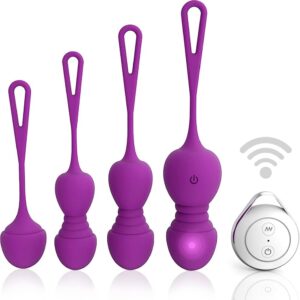 Kegel ToneHer Pelvic Trainer
1 × ₱1,999.00
Kegel ToneHer Pelvic Trainer
1 × ₱1,999.00
Subtotal: ₱8,344.00
-
×
BellyGuardian 3-in-1 Maternity Support Belt
1 × ₱855.00
-
×
PelviSync Smart Kegel Trainer
1 × ₱5,490.00
-
×
Kegel ToneHer Pelvic Trainer
1 × ₱1,999.00
Subtotal: ₱8,344.00
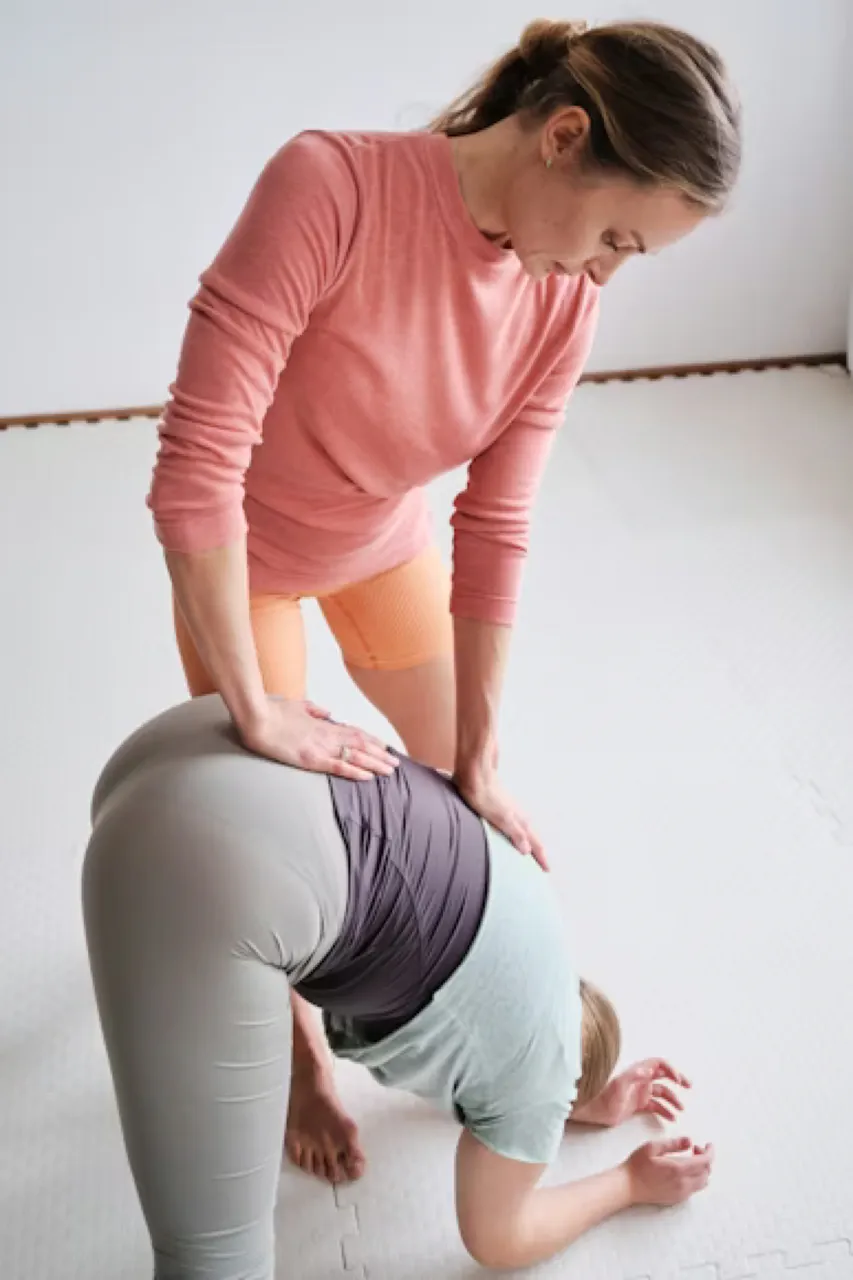
You might perform your Kegels perfectly and still struggle with weakness. The invisible culprit is often your posture. Furthermore, your daily alignment dictates the amount of pressure placed on your pelvic floor. Ultimately, if your spine is misaligned, even strong muscles become strained.
Mastering posture for pelvic floor health is not about standing stiffly. Instead, you should find a natural, balanced alignment. This allows your core, diaphragm, and pelvic floor to work in harmony. This guide reveals common mistakes and provides simple adjustments to prevent long-term paghina (weakness).
The Core Canister: Why Alignment Matters 🎯
To explain, you should think of your core as a sealed canister. For instance, the top is your diaphragm. The sides are your abdominal muscles. The back consists of your spinal muscles, and the bottom is your pelvic floor. For this system to function, the ribcage must stay stacked directly over the pelvis.
Conversely, slouching or arching your back disrupts this canister. As a result, this misalignment forces pressure downward onto the pelvic floor. Over time, this constant force leads to chronic strain and paninigas (tension). Therefore, maintaining a neutral spine is the first step toward true strength.
Common Mistakes That Cause Weakness ⚠️
Many everyday habits actively fight your strengthening efforts. Specifically, watch out for these three patterns:
- The Swayback: Arching your lower back and sticking your bum out. This pushes your center of gravity forward and strains the pelvic floor.
- The Slouch: Rounding your back and tucking your pelvis under while sitting. This position prevents the pelvic floor from engaging naturally.
- Hip Jutting: Standing with your weight on one leg. This destabilizes the pelvis and causes muscle imbalances.
Integrating Your Pelvic Health Routine 🛠️
In addition to fixing your stance, you should build a complete routine. Specifically, read our guide on Breathing For Pelvic Health : Simple Daily Techniques That Make A Big Difference to see how alignment affects your lungs. Furthermore, our post on the The Truth About Vaginal Tightness : Why Strength Doesn't Mean "Tight" (And What Matters) explains how to release the tension caused by a "tucked" pelvis. If you want better feedback, consider trying Lunaya’s Kegel balls. Lunaya also offers tools that you can check in Lunaya's Pelvic Strength Essentials if you are not yet ready for advanced routines. Crucially, these tools help you feel the muscle lift during every postural adjustment. Ultimately, combining these resources ensures a more resilient body.
Everyday Adjustments for Optimal Results 💪
Correcting your posture requires small, conscious changes throughout your day.
1. Standing Alignment (The Stack)
To begin, avoid sticking your chest out or tucking your tailbone. Imagine your ribcage floating directly over your hips. Keep your knees soft and distribute your weight evenly on both feet. This simple "stack" protects your pelvic floor from unnecessary diin (pressure).

2. Sitting Alignment (The 90/90/90 Rule)
Moreover, the way you sit at a desk matters. Aim for the 90/90/90 rule. Keep your hips at a slightly open angle. Ensure your knees are at 90 degrees with feet flat on the floor. Consequently, this position keeps your pelvic floor in a neutral, functional state.
In addition, set a timer to move every 45 minutes. This breaks the pattern of fatigue that leads to habitual slouching. Research from the National Institutes of Health (NIH) confirms that proper alignment is vital for pelvic stability fatigue, which lead to habitual slouching.
🌸 LUNAYA NOTE
Your body is valid, and healing is allowed. Don't aim for a "perfect" magazine posture. Instead, aim for a functional posture that allows you to breathe and move with ease. Simple daily awareness is a radical act of self-care. Trust your body to respond positively to better alignment. Awareness is power.
Explore Lunaya's Collection now! 🌙
You might perform your Kegels perfectly and still struggle with weakness. The invisible culprit is often your posture. Furthermore, your daily alignment dictates the amount of pressure placed on your pelvic floor. Ultimately, if your spine is misaligned, even strong muscles become strained.
Mastering posture for pelvic floor health is not about standing stiffly. Instead, you should find a natural, balanced alignment. This allows your core, diaphragm, and pelvic floor to work in harmony. This guide reveals common mistakes and provides simple adjustments to prevent long-term paghina (weakness).
The Core Canister: Why Alignment Matters 🎯
To explain, you should think of your core as a sealed canister. For instance, the top is your diaphragm. The sides are your abdominal muscles. The back consists of your spinal muscles, and the bottom is your pelvic floor. For this system to function, the ribcage must stay stacked directly over the pelvis.
Conversely, slouching or arching your back disrupts this canister. As a result, this misalignment forces pressure downward onto the pelvic floor. Over time, this constant force leads to chronic strain and paninigas (tension). Therefore, maintaining a neutral spine is the first step toward true strength.
Common Mistakes That Cause Weakness ⚠️
Many everyday habits actively fight your strengthening efforts. Specifically, watch out for these three patterns:
- The Swayback: Arching your lower back and sticking your bum out. This pushes your center of gravity forward and strains the pelvic floor.
- The Slouch: Rounding your back and tucking your pelvis under while sitting. This position prevents the pelvic floor from engaging naturally.
- Hip Jutting: Standing with your weight on one leg. This destabilizes the pelvis and causes muscle imbalances.
Integrating Your Pelvic Health Routine 🛠️
In addition to fixing your stance, you should build a complete routine. Specifically, read our guide on Breathing For Pelvic Health : Simple Daily Techniques That Make A Big Difference to see how alignment affects your lungs. Furthermore, our post on the The Truth About Vaginal Tightness : Why Strength Doesn't Mean "Tight" (And What Matters) explains how to release the tension caused by a "tucked" pelvis. If you want better feedback, consider trying Lunaya’s Kegel balls. Lunaya also offers tools that you can check in Lunaya's Pelvic Strength Essentials if you are not yet ready for advanced routines. Crucially, these tools help you feel the muscle lift during every postural adjustment. Ultimately, combining these resources ensures a more resilient body.
Everyday Adjustments for Optimal Results 💪
Correcting your posture requires small, conscious changes throughout your day.
1. Standing Alignment (The Stack)
To begin, avoid sticking your chest out or tucking your tailbone. Imagine your ribcage floating directly over your hips. Keep your knees soft and distribute your weight evenly on both feet. This simple "stack" protects your pelvic floor from unnecessary diin (pressure).
2. Sitting Alignment (The 90/90/90 Rule)
Moreover, the way you sit at a desk matters. Aim for the 90/90/90 rule. Keep your hips at a slightly open angle. Ensure your knees are at 90 degrees with feet flat on the floor. Consequently, this position keeps your pelvic floor in a neutral, functional state.
In addition, set a timer to move every 45 minutes. This breaks the pattern of fatigue that leads to habitual slouching. Research from the National Institutes of Health (NIH) confirms that proper alignment is vital for pelvic stability fatigue, which lead to habitual slouching.
🌸 LUNAYA NOTE
Your body is valid, and healing is allowed. Don't aim for a "perfect" magazine posture. Instead, aim for a functional posture that allows you to breathe and move with ease. Simple daily awareness is a radical act of self-care. Trust your body to respond positively to better alignment. Awareness is power.
Explore Lunaya's Collection now! 🌙
You might perform your Kegels perfectly and still struggle with weakness. The invisible culprit is often your posture. Furthermore, your daily alignment dictates the amount of pressure placed on your pelvic floor. Ultimately, if your spine is misaligned, even strong muscles become strained.
Mastering posture for pelvic floor health is not about standing stiffly. Instead, you should find a natural, balanced alignment. This allows your core, diaphragm, and pelvic floor to work in harmony. This guide reveals common mistakes and provides simple adjustments to prevent long-term paghina (weakness).
The Core Canister: Why Alignment Matters 🎯
To explain, you should think of your core as a sealed canister. For instance, the top is your diaphragm. The sides are your abdominal muscles. The back consists of your spinal muscles, and the bottom is your pelvic floor. For this system to function, the ribcage must stay stacked directly over the pelvis.
Conversely, slouching or arching your back disrupts this canister. As a result, this misalignment forces pressure downward onto the pelvic floor. Over time, this constant force leads to chronic strain and paninigas (tension). Therefore, maintaining a neutral spine is the first step toward true strength.
Common Mistakes That Cause Weakness ⚠️
Many everyday habits actively fight your strengthening efforts. Specifically, watch out for these three patterns:
- The Swayback: Arching your lower back and sticking your bum out. This pushes your center of gravity forward and strains the pelvic floor.
- The Slouch: Rounding your back and tucking your pelvis under while sitting. This position prevents the pelvic floor from engaging naturally.
- Hip Jutting: Standing with your weight on one leg. This destabilizes the pelvis and causes muscle imbalances.
Integrating Your Pelvic Health Routine 🛠️
In addition to fixing your stance, you should build a complete routine. Specifically, read our guide on Breathing For Pelvic Health : Simple Daily Techniques That Make A Big Difference to see how alignment affects your lungs. Furthermore, our post on the The Truth About Vaginal Tightness : Why Strength Doesn't Mean "Tight" (And What Matters) explains how to release the tension caused by a "tucked" pelvis. If you want better feedback, consider trying Lunaya’s Kegel balls. Lunaya also offers tools that you can check in Lunaya's Pelvic Strength Essentials if you are not yet ready for advanced routines. Crucially, these tools help you feel the muscle lift during every postural adjustment. Ultimately, combining these resources ensures a more resilient body.
Everyday Adjustments for Optimal Results 💪
Correcting your posture requires small, conscious changes throughout your day.
1. Standing Alignment (The Stack)
To begin, avoid sticking your chest out or tucking your tailbone. Imagine your ribcage floating directly over your hips. Keep your knees soft and distribute your weight evenly on both feet. This simple "stack" protects your pelvic floor from unnecessary diin (pressure).
2. Sitting Alignment (The 90/90/90 Rule)
Moreover, the way you sit at a desk matters. Aim for the 90/90/90 rule. Keep your hips at a slightly open angle. Ensure your knees are at 90 degrees with feet flat on the floor. Consequently, this position keeps your pelvic floor in a neutral, functional state.
In addition, set a timer to move every 45 minutes. This breaks the pattern of fatigue that leads to habitual slouching. Research from the National Institutes of Health (NIH) confirms that proper alignment is vital for pelvic stability fatigue, which lead to habitual slouching.
🌸 LUNAYA NOTE
Your body is valid, and healing is allowed. Don't aim for a "perfect" magazine posture. Instead, aim for a functional posture that allows you to breathe and move with ease. Simple daily awareness is a radical act of self-care. Trust your body to respond positively to better alignment. Awareness is power.
Explore Lunaya's Collection now! 🌙


