
 MilkGuard Eco Pads
Stress and posture pelvic floor health are closely linked. When your body is under constant stress, muscles tend to tighten, including those deep within your core. Over time, this tension can lead to discomfort, lower back pain, and weakened pelvic floor muscles. Similarly, poor posture—like slouching at a desk or leaning forward while carrying a baby—adds strain on the pelvis, which affects stability and strength. By recognizing these connections, you can take proactive steps to support your pelvic floor.
How Poor Posture Weakens Your Core
When you sit or stand with misaligned posture, your pelvis tilts, and abdominal muscles become less engaged. Consequently, the pelvic floor cannot function optimally. Over time, this imbalance may cause urinary incontinence, prolapse, or lower back pain. For instance, forward-leaning positions while working at a laptop compress the pelvic floor, while prolonged sitting without breaks encourages tension and fatigue.
Tips to Improve Posture:
- Sit with feet flat and knees at 90°
- Engage your core gently while standing
- Use lumbar support when sitting for long periods
- Stretch your hip flexors daily
If you are new to exercises, our Reclaim Your Strength: Top Pelvic Floor Moves article can help you start safely.
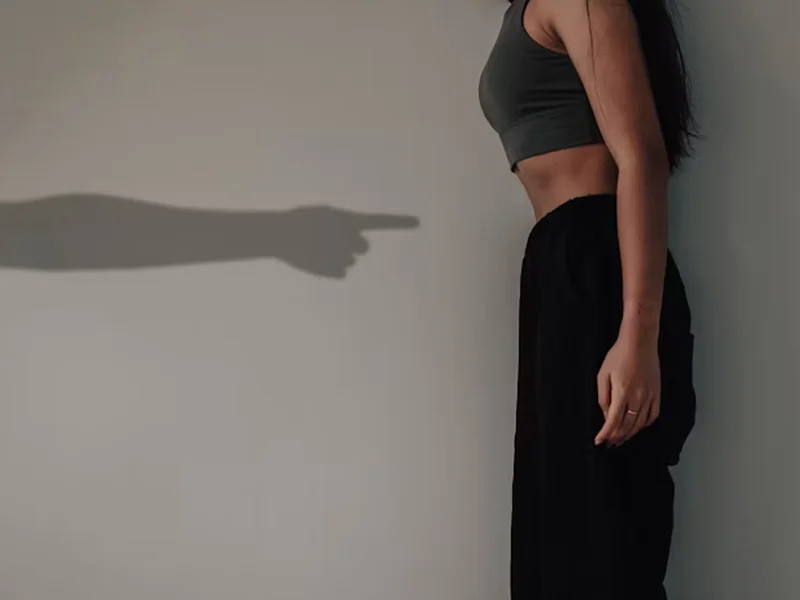
Stress: The Hidden Muscle Tension
Stress triggers the body’s fight-or-flight response, releasing hormones that increase muscle tension, you can check Healthline for more information. The pelvic floor often tightens unconsciously, reducing blood flow and flexibility. Additionally, this tension may interfere with daily movements and intimate activities. Mindful techniques like diaphragmatic breathing, meditation, or gentle yoga can counteract these effects and encourage relaxation of the pelvic muscles.
Incorporate Pelvic-Friendly Practices:
- Breathing exercises to release deep muscle tension
- Short walks or light movement breaks during stressful days
- Gentle stretches or yoga poses targeting the hips and lower back
- Consistent Kegel exercises for strength without strain
Pelvic Strength Essentials for Beginners
Before jumping into advanced tools like Kegel balls, start with basic pelvic floor support. Explore our products from Pelvic Strength Essentials that help train muscles gently while keeping posture aligned. For discreet storage of accessories, consider Lunaya's SafeNest Pro Case or DustLuxe Keeper, which keeps your tools hygienic and ready for daily use. By combining exercises with supportive tools, you’ll build a strong foundation for pelvic health gradually and safely.
The Connection Between Mind, Body, and Pelvic Health

By addressing both stress and posture, you give your pelvic floor the best chance to stay strong and functional. Consistent awareness of body alignment, paired with relaxation techniques, can prevent long-term discomfort and improve overall wellness. Moreover, these habits support core stability, bladder control, and even postpartum recovery.
The Lunaya Note 🌸
Your pelvic floor is more than muscles—it’s a source of strength, confidence, and freedom. Remember, small, consistent steps toward stress relief and posture awareness lead to lasting wellness. At Lunaya, we celebrate every effort you make to honor your body. Empower yourself, stay mindful, and embrace the journey toward a resilient, balanced pelvic floor. Continue your journey with our Kegel Balls 101: Everything Beginners Need to Know blog for more practical advice.
Explore Lunaya's Collection now! ✨
Stress and posture pelvic floor health are closely linked. When your body is under constant stress, muscles tend to tighten, including those deep within your core. Over time, this tension can lead to discomfort, lower back pain, and weakened pelvic floor muscles. Similarly, poor posture—like slouching at a desk or leaning forward while carrying a baby—adds strain on the pelvis, which affects stability and strength. By recognizing these connections, you can take proactive steps to support your pelvic floor.
How Poor Posture Weakens Your Core
When you sit or stand with misaligned posture, your pelvis tilts, and abdominal muscles become less engaged. Consequently, the pelvic floor cannot function optimally. Over time, this imbalance may cause urinary incontinence, prolapse, or lower back pain. For instance, forward-leaning positions while working at a laptop compress the pelvic floor, while prolonged sitting without breaks encourages tension and fatigue.
Tips to Improve Posture:
- Sit with feet flat and knees at 90°
- Engage your core gently while standing
- Use lumbar support when sitting for long periods
- Stretch your hip flexors daily
If you are new to exercises, our Reclaim Your Strength: Top Pelvic Floor Moves article can help you start safely.
Stress: The Hidden Muscle Tension
Stress triggers the body’s fight-or-flight response, releasing hormones that increase muscle tension, you can check Healthline for more information. The pelvic floor often tightens unconsciously, reducing blood flow and flexibility. Additionally, this tension may interfere with daily movements and intimate activities. Mindful techniques like diaphragmatic breathing, meditation, or gentle yoga can counteract these effects and encourage relaxation of the pelvic muscles.
Incorporate Pelvic-Friendly Practices:
- Breathing exercises to release deep muscle tension
- Short walks or light movement breaks during stressful days
- Gentle stretches or yoga poses targeting the hips and lower back
- Consistent Kegel exercises for strength without strain
Pelvic Strength Essentials for Beginners
Before jumping into advanced tools like Kegel balls, start with basic pelvic floor support. Explore our products from Pelvic Strength Essentials that help train muscles gently while keeping posture aligned. For discreet storage of accessories, consider Lunaya's SafeNest Pro Case or DustLuxe Keeper, which keeps your tools hygienic and ready for daily use. By combining exercises with supportive tools, you’ll build a strong foundation for pelvic health gradually and safely.
The Connection Between Mind, Body, and Pelvic Health
By addressing both stress and posture, you give your pelvic floor the best chance to stay strong and functional. Consistent awareness of body alignment, paired with relaxation techniques, can prevent long-term discomfort and improve overall wellness. Moreover, these habits support core stability, bladder control, and even postpartum recovery.
The Lunaya Note 🌸
Your pelvic floor is more than muscles—it’s a source of strength, confidence, and freedom. Remember, small, consistent steps toward stress relief and posture awareness lead to lasting wellness. At Lunaya, we celebrate every effort you make to honor your body. Empower yourself, stay mindful, and embrace the journey toward a resilient, balanced pelvic floor. Continue your journey with our Kegel Balls 101: Everything Beginners Need to Know blog for more practical advice.
Explore Lunaya's Collection now! ✨
Stress and posture pelvic floor health are closely linked. When your body is under constant stress, muscles tend to tighten, including those deep within your core. Over time, this tension can lead to discomfort, lower back pain, and weakened pelvic floor muscles. Similarly, poor posture—like slouching at a desk or leaning forward while carrying a baby—adds strain on the pelvis, which affects stability and strength. By recognizing these connections, you can take proactive steps to support your pelvic floor.
How Poor Posture Weakens Your Core
When you sit or stand with misaligned posture, your pelvis tilts, and abdominal muscles become less engaged. Consequently, the pelvic floor cannot function optimally. Over time, this imbalance may cause urinary incontinence, prolapse, or lower back pain. For instance, forward-leaning positions while working at a laptop compress the pelvic floor, while prolonged sitting without breaks encourages tension and fatigue.
Tips to Improve Posture:
- Sit with feet flat and knees at 90°
- Engage your core gently while standing
- Use lumbar support when sitting for long periods
- Stretch your hip flexors daily
If you are new to exercises, our Reclaim Your Strength: Top Pelvic Floor Moves article can help you start safely.
Stress: The Hidden Muscle Tension
Stress triggers the body’s fight-or-flight response, releasing hormones that increase muscle tension, you can check Healthline for more information. The pelvic floor often tightens unconsciously, reducing blood flow and flexibility. Additionally, this tension may interfere with daily movements and intimate activities. Mindful techniques like diaphragmatic breathing, meditation, or gentle yoga can counteract these effects and encourage relaxation of the pelvic muscles.
Incorporate Pelvic-Friendly Practices:
- Breathing exercises to release deep muscle tension
- Short walks or light movement breaks during stressful days
- Gentle stretches or yoga poses targeting the hips and lower back
- Consistent Kegel exercises for strength without strain
Pelvic Strength Essentials for Beginners
Before jumping into advanced tools like Kegel balls, start with basic pelvic floor support. Explore our products from Pelvic Strength Essentials that help train muscles gently while keeping posture aligned. For discreet storage of accessories, consider Lunaya's SafeNest Pro Case or DustLuxe Keeper, which keeps your tools hygienic and ready for daily use. By combining exercises with supportive tools, you’ll build a strong foundation for pelvic health gradually and safely.
The Connection Between Mind, Body, and Pelvic Health
By addressing both stress and posture, you give your pelvic floor the best chance to stay strong and functional. Consistent awareness of body alignment, paired with relaxation techniques, can prevent long-term discomfort and improve overall wellness. Moreover, these habits support core stability, bladder control, and even postpartum recovery.
The Lunaya Note 🌸
Your pelvic floor is more than muscles—it’s a source of strength, confidence, and freedom. Remember, small, consistent steps toward stress relief and posture awareness lead to lasting wellness. At Lunaya, we celebrate every effort you make to honor your body. Empower yourself, stay mindful, and embrace the journey toward a resilient, balanced pelvic floor. Continue your journey with our Kegel Balls 101: Everything Beginners Need to Know blog for more practical advice.
Explore Lunaya's Collection now! ✨


