
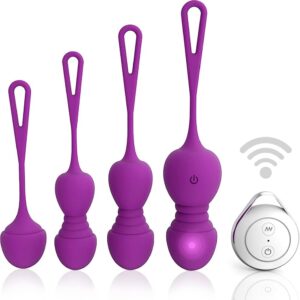
 Kegel ToneHer Pelvic Trainer
Achieving a healthy vaginal tightness pelvic floor balance is the goal yet the concept of "tightness" stands out as a most misunderstood ideas in pelvic health. Many women believe that a strong pelvic floor automatically means achieving maximum tone and this pursuit of hyper-tightness often leads to painful symptoms and an imbalanced body. True pelvic health is not about clenching; it's about balance, flexibility and control.
Understanding the language we use around our bodies is crucial. We need to shift the focus from a purely aesthetic or external measure like tightness to a functional and internal one: BALANCE. This post will dismantle the myth that strength equals unnecessary tightness and reveal what truly matters for your health, confidence and intimacy.
The Myth of "Tightness": What Happens When We Over-Clench 🛑
For years, women have been told to "squeeze and hold" to improve health and intimacy. Consequently, many have developed a condition known as hypertonicity or an overly tense pelvic floor. This happens when the muscles are constantly "on," unable to relax fully.
Therefore, the goal isn't just to strengthen but to find a healthy resting tone. When a muscle is hypertonic, it's actually weaker and more prone to injury because it lacks the range of motion needed to function properly. In addition to chronic pain, this tension can lead to painful intercourse or pag-igting (tightness) during daily activities.
Why Strength Doesn't Mean Unnecessary "Tightness" (For Your Pelvic Floor) 🤔
Think of a bicep muscle. If you walk around all day with your bicep fully flexed, it might look tight but it will quickly become fatigued and weak. The same is true for your pelvic floor.
True Strength Requires Range: A strong muscle is one that can contract forcefully when needed (like preventing a leak during a cough) but more importantly can fully relax back to its resting length. Experts often overlook this ability to relax in discussions about achieving a healthy pelvic floor. Without relaxation, the muscle is restricted and functions poorly. To better understand this, read our post on "Is Your Pelvic Floor Too Tight? The Hidden Problem Most Women Don’t Know They Have".
What Matters Most: Balance, Control, and Flexibility ⚖️

If not tightness, what should we focus on? Pelvic floor experts agree the three pillars of true pelvic health are:
- Balance : The ability to alternate effectively between contraction and release.
- Control : The ability to grade the contraction (e.g., a 20% effort vs. a 100% effort).
- Flexibility : The range of motion, ensuring the muscles can lengthen for activities like bowel movements, labor or deep breathing.
Conversely, when the focus is purely on "tightening," we miss the educational opportunity to teach the body how to relax. This is why tools designed for awareness and release like gentle Pelvic Strengthening Essentials are often recommended before deep strengthening.
Finding Your Functional Pelvic Tone with Awareness 🙏
Learning to release tension is often more challenging than learning to squeeze. Therefore, practice deep, diaphragmatic breathing. As you inhale, imagine your pelvic floor lengthening and lowering, releasing the tension. As you exhale, imagine a gentle lift.
Although traditional strengthening tools like Kegel Balls are excellent for building strength, they must be used only after you’ve mastered the art of relaxation. Consult a pelvic floor physical therapist to assess whether your body needs strength, release or both. Ultimately, this balanced approach ensures functional strength without creating unnecessary paninigas (tension).
The Impact of True Balance on Intimacy and Confidence ✨

The pursuit of aggressive tightness can have a negative impact on intimacy often leading to pain and discomfort. However focusing on a healthy, balanced pelvic tone can dramatically improve your intimate life.
When your muscles are flexible and under voluntary control, they can engage naturally, improving sensation and connection without forcing a painful contraction. Because true strength includes elasticity, it allows for a more comfortable and pleasurable experience. You deserve functional health. The Cleveland Clinic notes that proper muscle isolation enhances quality of life, extending far beyond simple contraction. Moreover, you can find more medically-backed information on pelvic floor rehabilitation on the National Institutes of Health (NIH) website.
LUNAYA NOTE 🌙
Your body is valid, and the goal is not to be externally "tight," but internally balanced and strong. Healing is allowed and understanding that strength includes the ability to fully release is profoundly empowering. Give yourself grace and kindness as you shift your focus from myths to functional truth. Awareness is power and your body deserves gentle, informed care.
Explore Lunaya's Collections now! ✨
Achieving a healthy vaginal tightness pelvic floor balance is the goal yet the concept of "tightness" stands out as a most misunderstood ideas in pelvic health. Many women believe that a strong pelvic floor automatically means achieving maximum tone and this pursuit of hyper-tightness often leads to painful symptoms and an imbalanced body. True pelvic health is not about clenching; it's about balance, flexibility and control.
Understanding the language we use around our bodies is crucial. We need to shift the focus from a purely aesthetic or external measure like tightness to a functional and internal one: BALANCE. This post will dismantle the myth that strength equals unnecessary tightness and reveal what truly matters for your health, confidence and intimacy.
The Myth of "Tightness": What Happens When We Over-Clench 🛑
For years, women have been told to "squeeze and hold" to improve health and intimacy. Consequently, many have developed a condition known as hypertonicity or an overly tense pelvic floor. This happens when the muscles are constantly "on," unable to relax fully.
Therefore, the goal isn't just to strengthen but to find a healthy resting tone. When a muscle is hypertonic, it's actually weaker and more prone to injury because it lacks the range of motion needed to function properly. In addition to chronic pain, this tension can lead to painful intercourse or pag-igting (tightness) during daily activities.
Why Strength Doesn't Mean Unnecessary "Tightness" (For Your Pelvic Floor) 🤔
Think of a bicep muscle. If you walk around all day with your bicep fully flexed, it might look tight but it will quickly become fatigued and weak. The same is true for your pelvic floor.
True Strength Requires Range: A strong muscle is one that can contract forcefully when needed (like preventing a leak during a cough) but more importantly can fully relax back to its resting length. Experts often overlook this ability to relax in discussions about achieving a healthy pelvic floor. Without relaxation, the muscle is restricted and functions poorly. To better understand this, read our post on "Is Your Pelvic Floor Too Tight? The Hidden Problem Most Women Don’t Know They Have".
What Matters Most: Balance, Control, and Flexibility ⚖️
If not tightness, what should we focus on? Pelvic floor experts agree the three pillars of true pelvic health are:
- Balance : The ability to alternate effectively between contraction and release.
- Control : The ability to grade the contraction (e.g., a 20% effort vs. a 100% effort).
- Flexibility : The range of motion, ensuring the muscles can lengthen for activities like bowel movements, labor or deep breathing.
Conversely, when the focus is purely on "tightening," we miss the educational opportunity to teach the body how to relax. This is why tools designed for awareness and release like gentle Pelvic Strengthening Essentials are often recommended before deep strengthening.
Finding Your Functional Pelvic Tone with Awareness 🙏
Learning to release tension is often more challenging than learning to squeeze. Therefore, practice deep, diaphragmatic breathing. As you inhale, imagine your pelvic floor lengthening and lowering, releasing the tension. As you exhale, imagine a gentle lift.
Although traditional strengthening tools like Kegel Balls are excellent for building strength, they must be used only after you’ve mastered the art of relaxation. Consult a pelvic floor physical therapist to assess whether your body needs strength, release or both. Ultimately, this balanced approach ensures functional strength without creating unnecessary paninigas (tension).
The Impact of True Balance on Intimacy and Confidence ✨
The pursuit of aggressive tightness can have a negative impact on intimacy often leading to pain and discomfort. However focusing on a healthy, balanced pelvic tone can dramatically improve your intimate life.
When your muscles are flexible and under voluntary control, they can engage naturally, improving sensation and connection without forcing a painful contraction. Because true strength includes elasticity, it allows for a more comfortable and pleasurable experience. You deserve functional health. The Cleveland Clinic notes that proper muscle isolation enhances quality of life, extending far beyond simple contraction. Moreover, you can find more medically-backed information on pelvic floor rehabilitation on the National Institutes of Health (NIH) website.
LUNAYA NOTE 🌙
Your body is valid, and the goal is not to be externally "tight," but internally balanced and strong. Healing is allowed and understanding that strength includes the ability to fully release is profoundly empowering. Give yourself grace and kindness as you shift your focus from myths to functional truth. Awareness is power and your body deserves gentle, informed care.
Explore Lunaya's Collections now! ✨
Achieving a healthy vaginal tightness pelvic floor balance is the goal yet the concept of "tightness" stands out as a most misunderstood ideas in pelvic health. Many women believe that a strong pelvic floor automatically means achieving maximum tone and this pursuit of hyper-tightness often leads to painful symptoms and an imbalanced body. True pelvic health is not about clenching; it's about balance, flexibility and control.
Understanding the language we use around our bodies is crucial. We need to shift the focus from a purely aesthetic or external measure like tightness to a functional and internal one: BALANCE. This post will dismantle the myth that strength equals unnecessary tightness and reveal what truly matters for your health, confidence and intimacy.
The Myth of "Tightness": What Happens When We Over-Clench 🛑
For years, women have been told to "squeeze and hold" to improve health and intimacy. Consequently, many have developed a condition known as hypertonicity or an overly tense pelvic floor. This happens when the muscles are constantly "on," unable to relax fully.
Therefore, the goal isn't just to strengthen but to find a healthy resting tone. When a muscle is hypertonic, it's actually weaker and more prone to injury because it lacks the range of motion needed to function properly. In addition to chronic pain, this tension can lead to painful intercourse or pag-igting (tightness) during daily activities.
Why Strength Doesn't Mean Unnecessary "Tightness" (For Your Pelvic Floor) 🤔
Think of a bicep muscle. If you walk around all day with your bicep fully flexed, it might look tight but it will quickly become fatigued and weak. The same is true for your pelvic floor.
True Strength Requires Range: A strong muscle is one that can contract forcefully when needed (like preventing a leak during a cough) but more importantly can fully relax back to its resting length. Experts often overlook this ability to relax in discussions about achieving a healthy pelvic floor. Without relaxation, the muscle is restricted and functions poorly. To better understand this, read our post on "Is Your Pelvic Floor Too Tight? The Hidden Problem Most Women Don’t Know They Have".
What Matters Most: Balance, Control, and Flexibility ⚖️
If not tightness, what should we focus on? Pelvic floor experts agree the three pillars of true pelvic health are:
- Balance : The ability to alternate effectively between contraction and release.
- Control : The ability to grade the contraction (e.g., a 20% effort vs. a 100% effort).
- Flexibility : The range of motion, ensuring the muscles can lengthen for activities like bowel movements, labor or deep breathing.
Conversely, when the focus is purely on "tightening," we miss the educational opportunity to teach the body how to relax. This is why tools designed for awareness and release like gentle Pelvic Strengthening Essentials are often recommended before deep strengthening.
Finding Your Functional Pelvic Tone with Awareness 🙏
Learning to release tension is often more challenging than learning to squeeze. Therefore, practice deep, diaphragmatic breathing. As you inhale, imagine your pelvic floor lengthening and lowering, releasing the tension. As you exhale, imagine a gentle lift.
Although traditional strengthening tools like Kegel Balls are excellent for building strength, they must be used only after you’ve mastered the art of relaxation. Consult a pelvic floor physical therapist to assess whether your body needs strength, release or both. Ultimately, this balanced approach ensures functional strength without creating unnecessary paninigas (tension).
The Impact of True Balance on Intimacy and Confidence ✨
The pursuit of aggressive tightness can have a negative impact on intimacy often leading to pain and discomfort. However focusing on a healthy, balanced pelvic tone can dramatically improve your intimate life.
When your muscles are flexible and under voluntary control, they can engage naturally, improving sensation and connection without forcing a painful contraction. Because true strength includes elasticity, it allows for a more comfortable and pleasurable experience. You deserve functional health. The Cleveland Clinic notes that proper muscle isolation enhances quality of life, extending far beyond simple contraction. Moreover, you can find more medically-backed information on pelvic floor rehabilitation on the National Institutes of Health (NIH) website.
LUNAYA NOTE 🌙
Your body is valid, and the goal is not to be externally "tight," but internally balanced and strong. Healing is allowed and understanding that strength includes the ability to fully release is profoundly empowering. Give yourself grace and kindness as you shift your focus from myths to functional truth. Awareness is power and your body deserves gentle, informed care.
Explore Lunaya's Collections now! ✨


