 PelviHeart Kegel Balls – Reclaim Your Strength, One Squeeze at a Time
Pelvic floor myths are everywhere—from social media “tips” to casual mom talk. Yet, believing them can do more harm than good. The truth is, your pelvic floor deserves accurate care and understanding, especially as you move through pregnancy, postpartum, or beyond 30. So, let’s debunk these common misconceptions and help you reconnect with your body confidently.
🌸 Myth #1: “Only Moms Need Pelvic Floor Exercises”
Many women assume Kegels are just for those who’ve given birth. However, your pelvic floor supports you long before and after pregnancy. Whether you’re in your 20s, 30s, or approaching menopause, these muscles play a key role in bladder control, posture, and even pleasure.
To keep them strong, daily training is essential. For instance, you can start with beginner-friendly tools like the PelviSync Smart Kegel Trainer from our Kegel Balls Collection, which offers guided workouts and real-time feedback to ensure proper technique.
🌿 Myth #2: “You Can Strengthen the Pelvic Floor by Holding Your Pee”
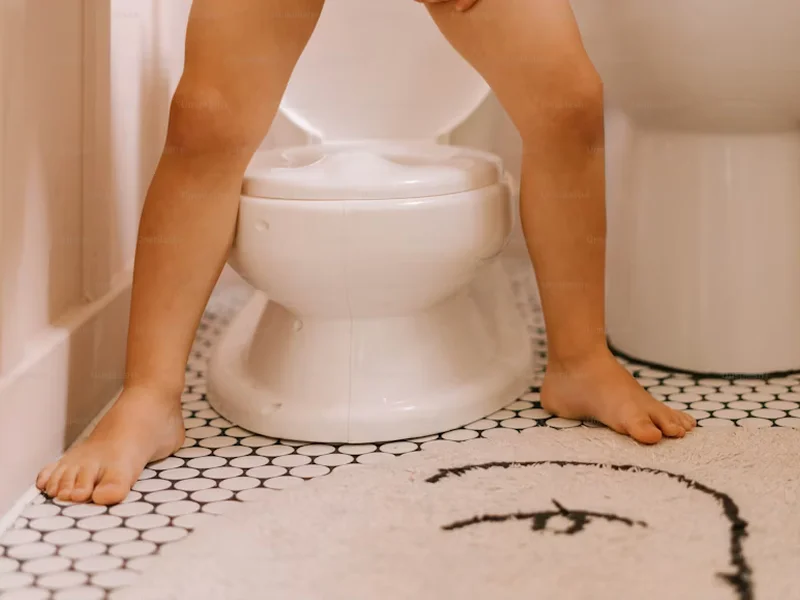
This one’s popular—but risky. Holding your pee may feel like a mini exercise, but it actually strains your bladder and confuses muscle coordination. Over time, it can lead to incomplete emptying and even infections.
Instead, practice intentional Kegels when your bladder is empty. Sit or lie comfortably, breathe deeply, and contract your pelvic floor as if stopping urine flow—then release. Doing this regularly, with proper guidance, builds lasting strength safely.
👉 According to the Cleveland Clinic, holding your urine can cause bladder dysfunction and should be avoided.
💧 Myth #3: “Pelvic Floor Training Is Only About Kegels”
Kegels are just one part of pelvic health. In truth, your posture, breathing, and stress levels all affect how your pelvic floor functions. When you’re tense or slouched, your pelvic muscles tighten unnecessarily, leading to pain or leakage.
That’s why combining Kegels with mindful movement—like yoga, stretching, or posture correction—creates better results. You can explore our blog How Stress and Posture Affect Your Pelvic Floor (and What to Do About It) for more insight.
💖 Myth #4: “If I Can’t See Results, I Must Be Doing It Wrong”

Progress doesn’t always show immediately, and that’s okay. Every woman’s recovery journey is unique. Some notice improvement in two weeks, while others may take a month or more. What matters most is consistency and patience.
If you prefer guided training, consider switching to smart pelvic trainers, which can help you feel your contractions more clearly. Over time, you’ll notice better bladder control, posture, and confidence.
🌼 Myth #5: “Pelvic Care Is Embarrassing to Talk About”
Let’s end this myth right now—your pelvic health is nothing to be ashamed of. Discussing it means you’re choosing self-awareness and empowerment. In fact, breaking the silence helps other women realize that discomfort, leaks, or pain are not “normal” signs to ignore.
At Lunaya, we believe in healing without shame. Our Pelvic Strength Essentials are designed to help you feel supported through every stage—whether you’re starting pelvic exercises or easing postpartum recovery.
✨ The Lunaya Note
Every woman’s journey toward pelvic health is different—but every step counts. Don’t let myths hold you back. Listen to your body, move with intention, and embrace the strength within. 🌷
Explore Lunaya's Collection now! ✨
Pelvic floor myths are everywhere—from social media “tips” to casual mom talk. Yet, believing them can do more harm than good. The truth is, your pelvic floor deserves accurate care and understanding, especially as you move through pregnancy, postpartum, or beyond 30. So, let’s debunk these common misconceptions and help you reconnect with your body confidently.
🌸 Myth #1: “Only Moms Need Pelvic Floor Exercises”
Many women assume Kegels are just for those who’ve given birth. However, your pelvic floor supports you long before and after pregnancy. Whether you’re in your 20s, 30s, or approaching menopause, these muscles play a key role in bladder control, posture, and even pleasure.
To keep them strong, daily training is essential. For instance, you can start with beginner-friendly tools like the PelviSync Smart Kegel Trainer from our Kegel Balls Collection, which offers guided workouts and real-time feedback to ensure proper technique.
🌿 Myth #2: “You Can Strengthen the Pelvic Floor by Holding Your Pee”
This one’s popular—but risky. Holding your pee may feel like a mini exercise, but it actually strains your bladder and confuses muscle coordination. Over time, it can lead to incomplete emptying and even infections.
Instead, practice intentional Kegels when your bladder is empty. Sit or lie comfortably, breathe deeply, and contract your pelvic floor as if stopping urine flow—then release. Doing this regularly, with proper guidance, builds lasting strength safely.
👉 According to the Cleveland Clinic, holding your urine can cause bladder dysfunction and should be avoided.
💧 Myth #3: “Pelvic Floor Training Is Only About Kegels”
Kegels are just one part of pelvic health. In truth, your posture, breathing, and stress levels all affect how your pelvic floor functions. When you’re tense or slouched, your pelvic muscles tighten unnecessarily, leading to pain or leakage.
That’s why combining Kegels with mindful movement—like yoga, stretching, or posture correction—creates better results. You can explore our blog How Stress and Posture Affect Your Pelvic Floor (and What to Do About It) for more insight.
💖 Myth #4: “If I Can’t See Results, I Must Be Doing It Wrong”
Progress doesn’t always show immediately, and that’s okay. Every woman’s recovery journey is unique. Some notice improvement in two weeks, while others may take a month or more. What matters most is consistency and patience.
If you prefer guided training, consider switching to smart pelvic trainers, which can help you feel your contractions more clearly. Over time, you’ll notice better bladder control, posture, and confidence.
🌼 Myth #5: “Pelvic Care Is Embarrassing to Talk About”
Let’s end this myth right now—your pelvic health is nothing to be ashamed of. Discussing it means you’re choosing self-awareness and empowerment. In fact, breaking the silence helps other women realize that discomfort, leaks, or pain are not “normal” signs to ignore.
At Lunaya, we believe in healing without shame. Our Pelvic Strength Essentials are designed to help you feel supported through every stage—whether you’re starting pelvic exercises or easing postpartum recovery.
✨ The Lunaya Note
Every woman’s journey toward pelvic health is different—but every step counts. Don’t let myths hold you back. Listen to your body, move with intention, and embrace the strength within. 🌷
Explore Lunaya's Collection now! ✨
Pelvic floor myths are everywhere—from social media “tips” to casual mom talk. Yet, believing them can do more harm than good. The truth is, your pelvic floor deserves accurate care and understanding, especially as you move through pregnancy, postpartum, or beyond 30. So, let’s debunk these common misconceptions and help you reconnect with your body confidently.
🌸 Myth #1: “Only Moms Need Pelvic Floor Exercises”
Many women assume Kegels are just for those who’ve given birth. However, your pelvic floor supports you long before and after pregnancy. Whether you’re in your 20s, 30s, or approaching menopause, these muscles play a key role in bladder control, posture, and even pleasure.
To keep them strong, daily training is essential. For instance, you can start with beginner-friendly tools like the PelviSync Smart Kegel Trainer from our Kegel Balls Collection, which offers guided workouts and real-time feedback to ensure proper technique.
🌿 Myth #2: “You Can Strengthen the Pelvic Floor by Holding Your Pee”
This one’s popular—but risky. Holding your pee may feel like a mini exercise, but it actually strains your bladder and confuses muscle coordination. Over time, it can lead to incomplete emptying and even infections.
Instead, practice intentional Kegels when your bladder is empty. Sit or lie comfortably, breathe deeply, and contract your pelvic floor as if stopping urine flow—then release. Doing this regularly, with proper guidance, builds lasting strength safely.
👉 According to the Cleveland Clinic, holding your urine can cause bladder dysfunction and should be avoided.
💧 Myth #3: “Pelvic Floor Training Is Only About Kegels”
Kegels are just one part of pelvic health. In truth, your posture, breathing, and stress levels all affect how your pelvic floor functions. When you’re tense or slouched, your pelvic muscles tighten unnecessarily, leading to pain or leakage.
That’s why combining Kegels with mindful movement—like yoga, stretching, or posture correction—creates better results. You can explore our blog How Stress and Posture Affect Your Pelvic Floor (and What to Do About It) for more insight.
💖 Myth #4: “If I Can’t See Results, I Must Be Doing It Wrong”
Progress doesn’t always show immediately, and that’s okay. Every woman’s recovery journey is unique. Some notice improvement in two weeks, while others may take a month or more. What matters most is consistency and patience.
If you prefer guided training, consider switching to smart pelvic trainers, which can help you feel your contractions more clearly. Over time, you’ll notice better bladder control, posture, and confidence.
🌼 Myth #5: “Pelvic Care Is Embarrassing to Talk About”
Let’s end this myth right now—your pelvic health is nothing to be ashamed of. Discussing it means you’re choosing self-awareness and empowerment. In fact, breaking the silence helps other women realize that discomfort, leaks, or pain are not “normal” signs to ignore.
At Lunaya, we believe in healing without shame. Our Pelvic Strength Essentials are designed to help you feel supported through every stage—whether you’re starting pelvic exercises or easing postpartum recovery.
✨ The Lunaya Note
Every woman’s journey toward pelvic health is different—but every step counts. Don’t let myths hold you back. Listen to your body, move with intention, and embrace the strength within. 🌷
Explore Lunaya's Collection now! ✨


