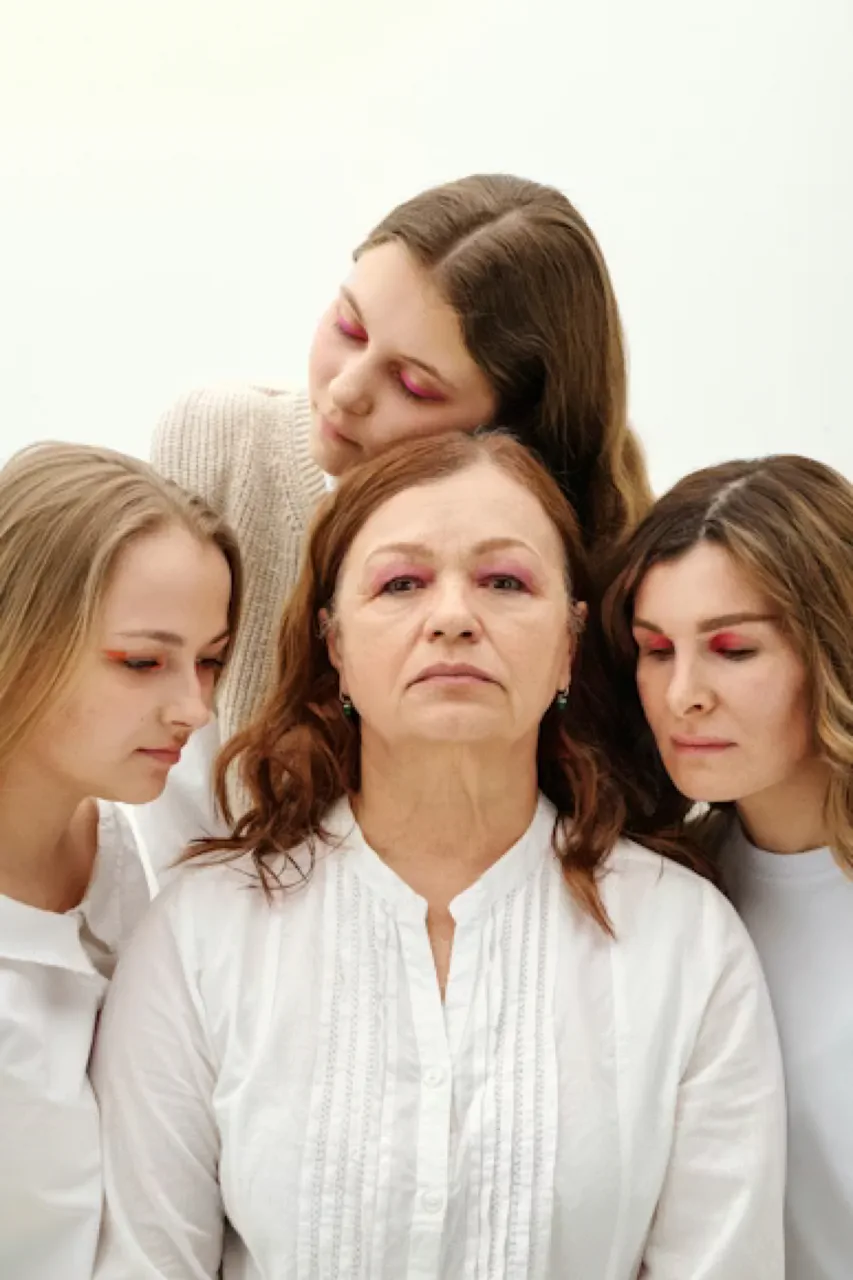
Your pelvic floor does not exist in a vacuum. It links directly to the chemical messengers that control your body instead. Levels of estrogen and progesterone dictate your muscle strength as you move from puberty through menopause. Understanding the pelvic floor and hormones connection helps you manage symptoms because knowledge is power.
This post details how these powerful shifts affect your core health. You will find proactive steps to prevent paghina (weakness) below.
The Main Players: Estrogen and Progesterone 🎭
Two primary hormones have distinct effects on your pelvic tissue while they often play opposing roles in your body:
- Estrogen: This hormone promotes collagen and moisture. High estrogen levels mean better structural support for your organs.
- Progesterone: This hormone encourages muscle relaxation. High levels during pregnancy can temporarily decrease your muscle tone.
Phase 1: Puberty and Reproductive Years 🌱

The surge of estrogen during puberty develops resilient pelvic tissues. Fluctuating hormones throughout your cycle still impact muscle response, however. Many women notice more sensitivity when progesterone peaks. You might find it easier to exercise right after your period ends. Adjusting your routine according to your cycle can optimize your results.
Phase 2: Pregnancy and Postpartum 🤰
Pregnancy introduces the hormone Relaxin. This hormone loosens your connective tissue to prepare for birth. This shift affects your entire pelvic structure.
The baby's weight also creates constant downward pressure. You should avoid high-impact exercise during this time. Prioritize posture for pelvic floor health and gentle breathwork. Instead, you can read our previous blogs, Fix Your Posture, Help Your Pelvic Floor : Everyday Adjustments That Prevent Weakness and Breathing For Pelvic Health : Simple Daily Techniques That Make A Big Difference for your guidance. Low-intensity training maintains awareness without overloading your joints.
Phase 3: Perimenopause and Menopause 🍂
This period marks the most significant shift for the pelvic floor and hormones. The decline in estrogen causes several common symptoms. Tissues lose lubrication first. Reduced collagen then weakens the ligaments supporting your bladder. This decline does not mean defeat, however. Your muscles remain highly trainable at any age.
Actionable Strategies for Support 🛠️
You can use these two strategies to combat low estrogen:
- Targeted Strengthening: Muscular support must be higher when structural support is lower. Consistent strength training remains non-negotiable.
- Hormonal Therapy: Talk to your doctor about localized estrogen. Research from the National Institutes of Health (NIH) confirms that this restores tissue elasticity.
Building Your Complete Recovery Plan 🛠️
A successful journey requires more than just one exercise. You should build a comprehensive routine to see the best results. Start by reading our guide on Pelvic Floor And Aging: What Changes, What Doesn't And What Can Still Improve At Any Age to understand long-term changes. Our post on The Truth About Vaginal Tightness : Why Strength Doesn't Mean "Tight" (And What Matters) also helps you balance strength with essential relaxation.
We recommend specific tools to support your body through these transitions:
- Maternal & Postpartum Essentials: These products protect your core during the physical demands of motherhood.
- Kegel Trainers: Use these to track your progress and ensure you engage the correct muscles every time.
- Pelvic Strengthening Essentials: These tools provide the resistance needed to rebuild deep core stability.
Combining these expert resources ensures your pelvic health stays strong. You deserve a recovery plan that evolves with your hormones. Explore our full collection to find your perfect match today.
🌸 LUNAYA NOTE
Your body remains valid through every hormonal change. Move toward empowered action instead of fearing decline. Healing is allowed for everyone. Trust your body's resiliency and give it the care it deserves. Awareness is power.
Your pelvic floor does not exist in a vacuum. It links directly to the chemical messengers that control your body instead. Levels of estrogen and progesterone dictate your muscle strength as you move from puberty through menopause. Understanding the pelvic floor and hormones connection helps you manage symptoms because knowledge is power.
This post details how these powerful shifts affect your core health. You will find proactive steps to prevent paghina (weakness) below.
The Main Players: Estrogen and Progesterone 🎭
Two primary hormones have distinct effects on your pelvic tissue while they often play opposing roles in your body:
- Estrogen: This hormone promotes collagen and moisture. High estrogen levels mean better structural support for your organs.
- Progesterone: This hormone encourages muscle relaxation. High levels during pregnancy can temporarily decrease your muscle tone.
Phase 1: Puberty and Reproductive Years 🌱
The surge of estrogen during puberty develops resilient pelvic tissues. Fluctuating hormones throughout your cycle still impact muscle response, however. Many women notice more sensitivity when progesterone peaks. You might find it easier to exercise right after your period ends. Adjusting your routine according to your cycle can optimize your results.
Phase 2: Pregnancy and Postpartum 🤰
Pregnancy introduces the hormone Relaxin. This hormone loosens your connective tissue to prepare for birth. This shift affects your entire pelvic structure.
The baby's weight also creates constant downward pressure. You should avoid high-impact exercise during this time. Prioritize posture for pelvic floor health and gentle breathwork. Instead, you can read our previous blogs, Fix Your Posture, Help Your Pelvic Floor : Everyday Adjustments That Prevent Weakness and Breathing For Pelvic Health : Simple Daily Techniques That Make A Big Difference for your guidance. Low-intensity training maintains awareness without overloading your joints.
Phase 3: Perimenopause and Menopause 🍂
This period marks the most significant shift for the pelvic floor and hormones. The decline in estrogen causes several common symptoms. Tissues lose lubrication first. Reduced collagen then weakens the ligaments supporting your bladder. This decline does not mean defeat, however. Your muscles remain highly trainable at any age.
Actionable Strategies for Support 🛠️
You can use these two strategies to combat low estrogen:
- Targeted Strengthening: Muscular support must be higher when structural support is lower. Consistent strength training remains non-negotiable.
- Hormonal Therapy: Talk to your doctor about localized estrogen. Research from the National Institutes of Health (NIH) confirms that this restores tissue elasticity.
Building Your Complete Recovery Plan 🛠️
A successful journey requires more than just one exercise. You should build a comprehensive routine to see the best results. Start by reading our guide on Pelvic Floor And Aging: What Changes, What Doesn't And What Can Still Improve At Any Age to understand long-term changes. Our post on The Truth About Vaginal Tightness : Why Strength Doesn't Mean "Tight" (And What Matters) also helps you balance strength with essential relaxation.
We recommend specific tools to support your body through these transitions:
- Maternal & Postpartum Essentials: These products protect your core during the physical demands of motherhood.
- Kegel Trainers: Use these to track your progress and ensure you engage the correct muscles every time.
- Pelvic Strengthening Essentials: These tools provide the resistance needed to rebuild deep core stability.
Combining these expert resources ensures your pelvic health stays strong. You deserve a recovery plan that evolves with your hormones. Explore our full collection to find your perfect match today.
🌸 LUNAYA NOTE
Your body remains valid through every hormonal change. Move toward empowered action instead of fearing decline. Healing is allowed for everyone. Trust your body's resiliency and give it the care it deserves. Awareness is power.
Your pelvic floor does not exist in a vacuum. It links directly to the chemical messengers that control your body instead. Levels of estrogen and progesterone dictate your muscle strength as you move from puberty through menopause. Understanding the pelvic floor and hormones connection helps you manage symptoms because knowledge is power.
This post details how these powerful shifts affect your core health. You will find proactive steps to prevent paghina (weakness) below.
The Main Players: Estrogen and Progesterone 🎭
Two primary hormones have distinct effects on your pelvic tissue while they often play opposing roles in your body:
- Estrogen: This hormone promotes collagen and moisture. High estrogen levels mean better structural support for your organs.
- Progesterone: This hormone encourages muscle relaxation. High levels during pregnancy can temporarily decrease your muscle tone.
Phase 1: Puberty and Reproductive Years 🌱
The surge of estrogen during puberty develops resilient pelvic tissues. Fluctuating hormones throughout your cycle still impact muscle response, however. Many women notice more sensitivity when progesterone peaks. You might find it easier to exercise right after your period ends. Adjusting your routine according to your cycle can optimize your results.
Phase 2: Pregnancy and Postpartum 🤰
Pregnancy introduces the hormone Relaxin. This hormone loosens your connective tissue to prepare for birth. This shift affects your entire pelvic structure.
The baby's weight also creates constant downward pressure. You should avoid high-impact exercise during this time. Prioritize posture for pelvic floor health and gentle breathwork. Instead, you can read our previous blogs, Fix Your Posture, Help Your Pelvic Floor : Everyday Adjustments That Prevent Weakness and Breathing For Pelvic Health : Simple Daily Techniques That Make A Big Difference for your guidance. Low-intensity training maintains awareness without overloading your joints.
Phase 3: Perimenopause and Menopause 🍂
This period marks the most significant shift for the pelvic floor and hormones. The decline in estrogen causes several common symptoms. Tissues lose lubrication first. Reduced collagen then weakens the ligaments supporting your bladder. This decline does not mean defeat, however. Your muscles remain highly trainable at any age.
Actionable Strategies for Support 🛠️
You can use these two strategies to combat low estrogen:
- Targeted Strengthening: Muscular support must be higher when structural support is lower. Consistent strength training remains non-negotiable.
- Hormonal Therapy: Talk to your doctor about localized estrogen. Research from the National Institutes of Health (NIH) confirms that this restores tissue elasticity.
Building Your Complete Recovery Plan 🛠️
A successful journey requires more than just one exercise. You should build a comprehensive routine to see the best results. Start by reading our guide on Pelvic Floor And Aging: What Changes, What Doesn't And What Can Still Improve At Any Age to understand long-term changes. Our post on The Truth About Vaginal Tightness : Why Strength Doesn't Mean "Tight" (And What Matters) also helps you balance strength with essential relaxation.
We recommend specific tools to support your body through these transitions:
- Maternal & Postpartum Essentials: These products protect your core during the physical demands of motherhood.
- Kegel Trainers: Use these to track your progress and ensure you engage the correct muscles every time.
- Pelvic Strengthening Essentials: These tools provide the resistance needed to rebuild deep core stability.
Combining these expert resources ensures your pelvic health stays strong. You deserve a recovery plan that evolves with your hormones. Explore our full collection to find your perfect match today.
🌸 LUNAYA NOTE
Your body remains valid through every hormonal change. Move toward empowered action instead of fearing decline. Healing is allowed for everyone. Trust your body's resiliency and give it the care it deserves. Awareness is power.


