
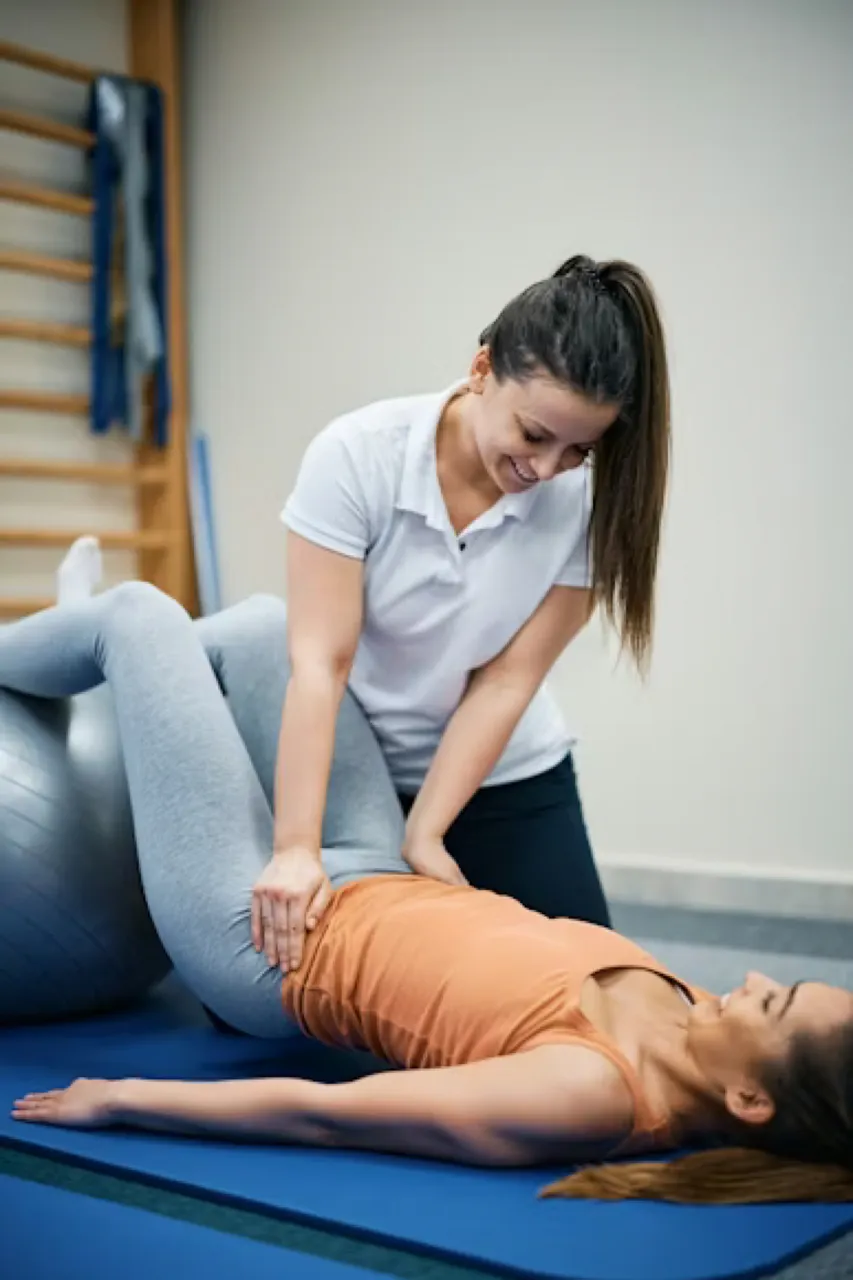
Many individuals experience pelvic discomfort or bladder issues but hesitate to seek professional help due to cultural modesty or a lack of information. Consequently, understanding how pelvic floor physical therapy works can demystify the process and encourage more people to prioritize their core health. This specialized therapy focuses on the muscles, ligaments, and connective tissues at the base of the pelvis to restore optimal function and comfort.
What to Expect During Your First Visit 🩺
The initial appointment usually involves a comprehensive assessment rather than just exercises. Therefore, the therapist takes the time to understand your medical history and specific goals. Similarly, this evaluation helps them determine if your muscles are too weak or too tight.
- History Intake: You will discuss your symptoms, daily habits, and any history of pregnancy or surgery.
- External Assessment: The therapist checks your posture and breathing patterns. Refer to our guide on Breathing For Pelvic Health : Simple Daily Techniques That Make A Big Difference to see why this matters.
- Internal Evaluation: A therapist often performs a gentle exam to assess muscle coordination directly.
Research from the Mayo Clinic shows that targeted physical therapy effectively treats chronic pelvic pain and incontinence without the need for surgery.
How the Therapy Sessions Progress 📈
Once the assessment is complete, the therapist designs a personalized plan. In fact, pelvic floor physical therapy involves much more than just doing repetitions of a single exercise.
1. Manual Therapy
Therapists often use hands-on techniques to release trigger points or mobilize tight tissues. This helps reduce pain and improves blood flow to the pelvic region.
2. Targeted Tools
Some therapists recommend using resistance tools at home to maintain progress. The Pelvicore Magic Ring is an excellent option for engaging the deep core and adductors safely between clinic visits.
3. Neuromuscular Retraining
You learn how to relax the muscles fully before attempting to strengthen them. If you struggle with constant clenching, check out our post on When You Should Not Do Kegels : Situations Where Strengthening Can Make Things Worse to understand the importance of relaxation.
When Should You Schedule an Appointment? 🗓️

You do not need to wait for a "crisis" to seek help. Moreover, early intervention often leads to faster results. Consider scheduling a visit if you experience persistent leakage, hip pain, or if you are in the early stages of postpartum recovery. Using a supported system like the MamaEase 360° Maternity Belt can provide the external comfort you need while waiting for your first professional evaluation.
According to the Cleveland Clinic, consistency with your home exercise program determines the success of the therapy. Consequently, active participation remains the key to long-term relief.
🌸 LUNAYA NOTE
Taking the first step toward pelvic floor physical therapy is a powerful act of self-care. By understanding how your body functions, you gain the tools to live a life free from discomfort and restriction. Prioritizing your pelvic health leads to a more vibrant and confident future. Awareness is power.
Support your recovery with our Lunaya's Collection! 🌙
Many individuals experience pelvic discomfort or bladder issues but hesitate to seek professional help due to cultural modesty or a lack of information. Consequently, understanding how pelvic floor physical therapy works can demystify the process and encourage more people to prioritize their core health. This specialized therapy focuses on the muscles, ligaments, and connective tissues at the base of the pelvis to restore optimal function and comfort.
What to Expect During Your First Visit 🩺
The initial appointment usually involves a comprehensive assessment rather than just exercises. Therefore, the therapist takes the time to understand your medical history and specific goals. Similarly, this evaluation helps them determine if your muscles are too weak or too tight.
- History Intake: You will discuss your symptoms, daily habits, and any history of pregnancy or surgery.
- External Assessment: The therapist checks your posture and breathing patterns. Refer to our guide on Breathing For Pelvic Health : Simple Daily Techniques That Make A Big Difference to see why this matters.
- Internal Evaluation: A therapist often performs a gentle exam to assess muscle coordination directly.
Research from the Mayo Clinic shows that targeted physical therapy effectively treats chronic pelvic pain and incontinence without the need for surgery.
How the Therapy Sessions Progress 📈
Once the assessment is complete, the therapist designs a personalized plan. In fact, pelvic floor physical therapy involves much more than just doing repetitions of a single exercise.
1. Manual Therapy
Therapists often use hands-on techniques to release trigger points or mobilize tight tissues. This helps reduce pain and improves blood flow to the pelvic region.
2. Targeted Tools
Some therapists recommend using resistance tools at home to maintain progress. The Pelvicore Magic Ring is an excellent option for engaging the deep core and adductors safely between clinic visits.
3. Neuromuscular Retraining
You learn how to relax the muscles fully before attempting to strengthen them. If you struggle with constant clenching, check out our post on When You Should Not Do Kegels : Situations Where Strengthening Can Make Things Worse to understand the importance of relaxation.
When Should You Schedule an Appointment? 🗓️
You do not need to wait for a "crisis" to seek help. Moreover, early intervention often leads to faster results. Consider scheduling a visit if you experience persistent leakage, hip pain, or if you are in the early stages of postpartum recovery. Using a supported system like the MamaEase 360° Maternity Belt can provide the external comfort you need while waiting for your first professional evaluation.
According to the Cleveland Clinic, consistency with your home exercise program determines the success of the therapy. Consequently, active participation remains the key to long-term relief.
🌸 LUNAYA NOTE
Taking the first step toward pelvic floor physical therapy is a powerful act of self-care. By understanding how your body functions, you gain the tools to live a life free from discomfort and restriction. Prioritizing your pelvic health leads to a more vibrant and confident future. Awareness is power.
Support your recovery with our Lunaya's Collection! 🌙
Many individuals experience pelvic discomfort or bladder issues but hesitate to seek professional help due to cultural modesty or a lack of information. Consequently, understanding how pelvic floor physical therapy works can demystify the process and encourage more people to prioritize their core health. This specialized therapy focuses on the muscles, ligaments, and connective tissues at the base of the pelvis to restore optimal function and comfort.
What to Expect During Your First Visit 🩺
The initial appointment usually involves a comprehensive assessment rather than just exercises. Therefore, the therapist takes the time to understand your medical history and specific goals. Similarly, this evaluation helps them determine if your muscles are too weak or too tight.
- History Intake: You will discuss your symptoms, daily habits, and any history of pregnancy or surgery.
- External Assessment: The therapist checks your posture and breathing patterns. Refer to our guide on Breathing For Pelvic Health : Simple Daily Techniques That Make A Big Difference to see why this matters.
- Internal Evaluation: A therapist often performs a gentle exam to assess muscle coordination directly.
Research from the Mayo Clinic shows that targeted physical therapy effectively treats chronic pelvic pain and incontinence without the need for surgery.
How the Therapy Sessions Progress 📈
Once the assessment is complete, the therapist designs a personalized plan. In fact, pelvic floor physical therapy involves much more than just doing repetitions of a single exercise.
1. Manual Therapy
Therapists often use hands-on techniques to release trigger points or mobilize tight tissues. This helps reduce pain and improves blood flow to the pelvic region.
2. Targeted Tools
Some therapists recommend using resistance tools at home to maintain progress. The Pelvicore Magic Ring is an excellent option for engaging the deep core and adductors safely between clinic visits.
3. Neuromuscular Retraining
You learn how to relax the muscles fully before attempting to strengthen them. If you struggle with constant clenching, check out our post on When You Should Not Do Kegels : Situations Where Strengthening Can Make Things Worse to understand the importance of relaxation.
When Should You Schedule an Appointment? 🗓️
You do not need to wait for a "crisis" to seek help. Moreover, early intervention often leads to faster results. Consider scheduling a visit if you experience persistent leakage, hip pain, or if you are in the early stages of postpartum recovery. Using a supported system like the MamaEase 360° Maternity Belt can provide the external comfort you need while waiting for your first professional evaluation.
According to the Cleveland Clinic, consistency with your home exercise program determines the success of the therapy. Consequently, active participation remains the key to long-term relief.
🌸 LUNAYA NOTE
Taking the first step toward pelvic floor physical therapy is a powerful act of self-care. By understanding how your body functions, you gain the tools to live a life free from discomfort and restriction. Prioritizing your pelvic health leads to a more vibrant and confident future. Awareness is power.
Support your recovery with our Lunaya's Collection! 🌙


