
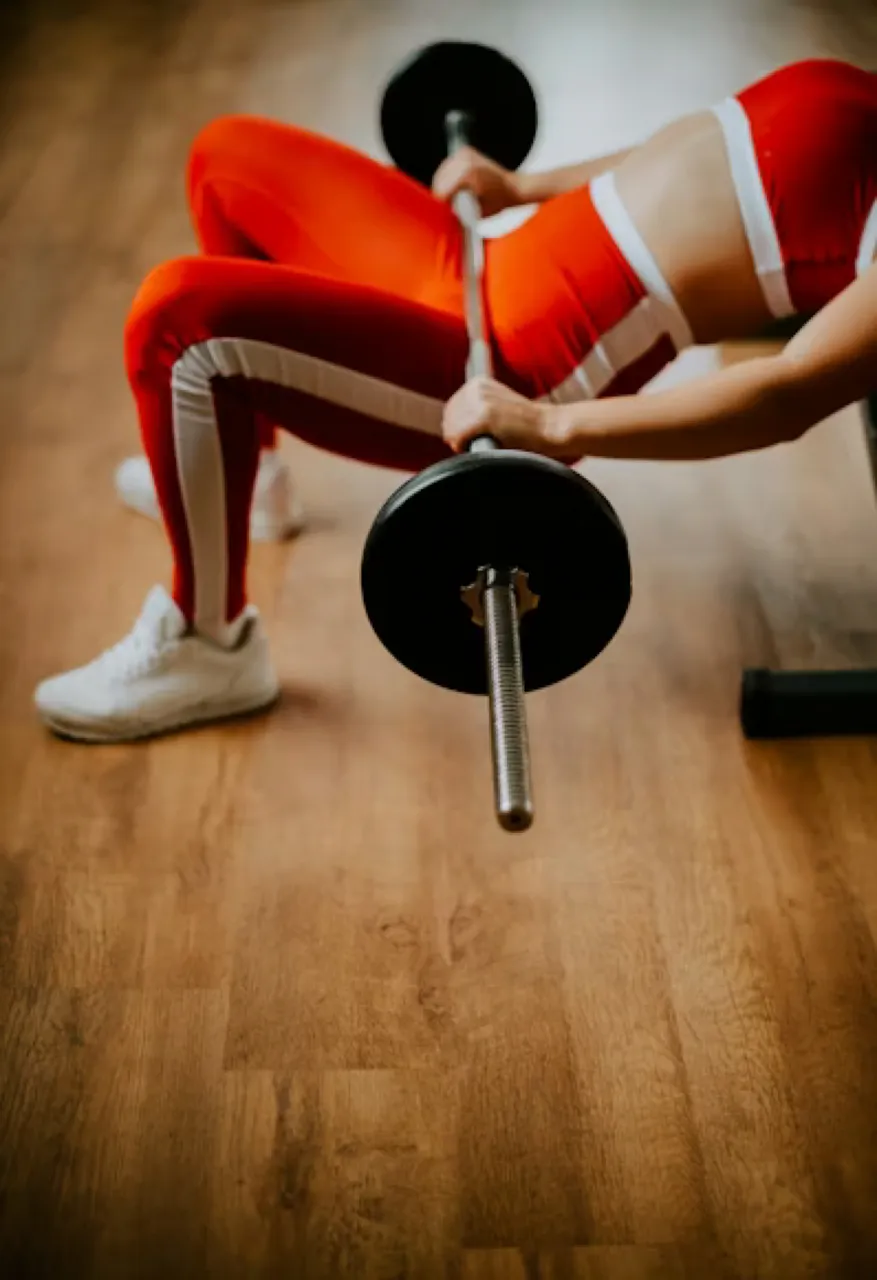
Isolated Kegels only tell half the story of your core health. Your pelvic floor does not work alone because it relies on the surrounding muscles for stability. Your glutes serve as the primary "anchor" for your pelvic bowl. Weak hips often force the pelvic floor to overwork as a result. Integrating glute exercises for pelvic support is the best way to build a truly resilient foundation.
The Anchor Principle: Why Glutes Matter 🍑
Your gluteus maximus and your pelvic floor share a deep functional connection. They attach to the same bony structures of the pelvis while sharing fascia. Strong glutes provide the external tension needed to keep the pelvis stable. Your pelvic floor can stay in its optimal range instead of being pulled out of alignment. Medical research from the Mayo Clinic confirms that a balanced posterior chain protects your internal organs. Using glute exercises for pelvic health ensures your body has the external support it requires.
Top Glute Exercises for Pelvic Floor Strength 🔄
You should focus on functional movements that engage the entire posterior chain rather than just squeezing. These specific glute exercises for pelvic endurance improve your pelvic floor and aging outcomes too.
1. The Glute Bridge
Lie on your back with your knees bent and feet flat. Lift your hips toward the ceiling while you drive through your heels. Inhale as you lower down and exhale as you lift. This exhale naturally triggers a pelvic floor lift as your glutes engage. It provides stability without the back pain often caused by poor form.
2. Lateral Band Walks
Place a resistance band around your ankles or just above your knees. Take small steps to the side while maintaining a slight squat. This move is one of the best glute exercises for pelvic side-support. These muscles prevent the pelvis from dropping so your pelvic floor stays supported during every step. You can find more on the anatomy of this hip-to-pelvis connection through the Cleveland Clinic.
3. Box Squats
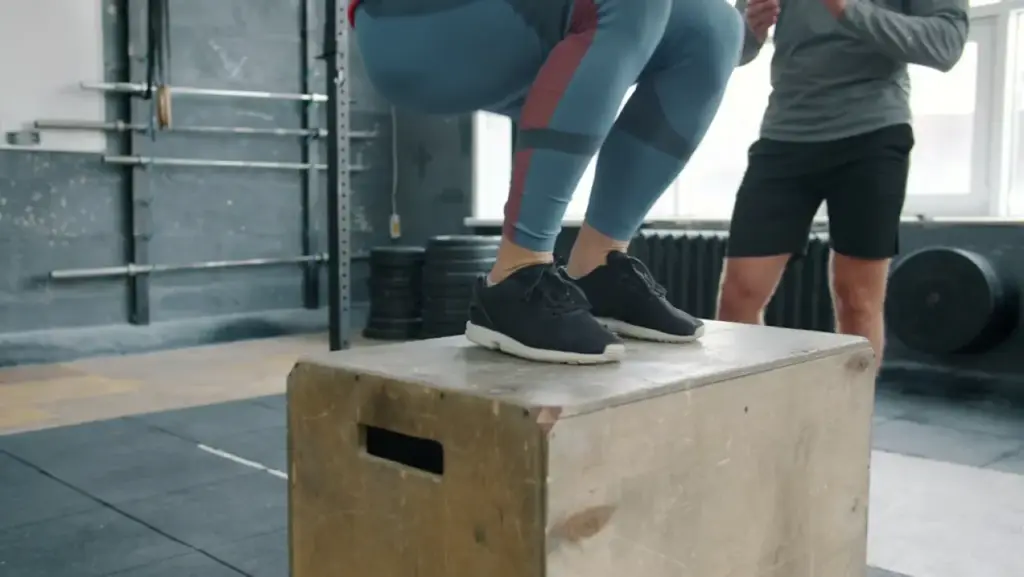
Sit back toward a chair until your glutes touch the surface. Stand up quickly while you exhale. This movement mimics everyday habits like getting out of a car. It teaches your body to use the glutes for power instead of straining the deep core system.
🛠️ Building Your Glute Exercises for Pelvic Power
A successful journey requires diverse movements because your body adapts quickly. Start by reviewing our Reclaim Your Strength: Top Pelvic Floor Moves for a solid base. Our post on How Pelvic Floor Imbalance Affects Your Whole Body – From Back Pain to Core Weakness also explains how weak hips contribute to whole-body pain.
We recommend specific tools to support your glute exercises for pelvic training while you build muscle:
- Pelvic Strengthening Essentials: These tools provide the internal feedback needed as you move.
- Maternal & Postpartum Essentials: Use these to protect your core during recovery from birth.
- Kegel Trainers: Use these to ensure your "lift" is timed correctly with your glute squeeze.
Combining these expert moves ensures your pelvic health stays strong so you can live without limits.
🌸 LUNAYA NOTE
Your body is valid, and you are allowed to take up space. Healing is allowed through movement and rest. Trust that strengthening your glutes is a powerful act of self-care for your internal health. Awareness is power, and you are building a stronger version of yourself every day.
Isolated Kegels only tell half the story of your core health. Your pelvic floor does not work alone because it relies on the surrounding muscles for stability. Your glutes serve as the primary "anchor" for your pelvic bowl. Weak hips often force the pelvic floor to overwork as a result. Integrating glute exercises for pelvic support is the best way to build a truly resilient foundation.
The Anchor Principle: Why Glutes Matter 🍑
Your gluteus maximus and your pelvic floor share a deep functional connection. They attach to the same bony structures of the pelvis while sharing fascia. Strong glutes provide the external tension needed to keep the pelvis stable. Your pelvic floor can stay in its optimal range instead of being pulled out of alignment. Medical research from the Mayo Clinic confirms that a balanced posterior chain protects your internal organs. Using glute exercises for pelvic health ensures your body has the external support it requires.
Top Glute Exercises for Pelvic Floor Strength 🔄
You should focus on functional movements that engage the entire posterior chain rather than just squeezing. These specific glute exercises for pelvic endurance improve your pelvic floor and aging outcomes too.
1. The Glute Bridge
Lie on your back with your knees bent and feet flat. Lift your hips toward the ceiling while you drive through your heels. Inhale as you lower down and exhale as you lift. This exhale naturally triggers a pelvic floor lift as your glutes engage. It provides stability without the back pain often caused by poor form.
2. Lateral Band Walks
Place a resistance band around your ankles or just above your knees. Take small steps to the side while maintaining a slight squat. This move is one of the best glute exercises for pelvic side-support. These muscles prevent the pelvis from dropping so your pelvic floor stays supported during every step. You can find more on the anatomy of this hip-to-pelvis connection through the Cleveland Clinic.
3. Box Squats
Sit back toward a chair until your glutes touch the surface. Stand up quickly while you exhale. This movement mimics everyday habits like getting out of a car. It teaches your body to use the glutes for power instead of straining the deep core system.
🛠️ Building Your Glute Exercises for Pelvic Power
A successful journey requires diverse movements because your body adapts quickly. Start by reviewing our Reclaim Your Strength: Top Pelvic Floor Moves for a solid base. Our post on How Pelvic Floor Imbalance Affects Your Whole Body – From Back Pain to Core Weakness also explains how weak hips contribute to whole-body pain.
We recommend specific tools to support your glute exercises for pelvic training while you build muscle:
- Pelvic Strengthening Essentials: These tools provide the internal feedback needed as you move.
- Maternal & Postpartum Essentials: Use these to protect your core during recovery from birth.
- Kegel Trainers: Use these to ensure your "lift" is timed correctly with your glute squeeze.
Combining these expert moves ensures your pelvic health stays strong so you can live without limits.
🌸 LUNAYA NOTE
Your body is valid, and you are allowed to take up space. Healing is allowed through movement and rest. Trust that strengthening your glutes is a powerful act of self-care for your internal health. Awareness is power, and you are building a stronger version of yourself every day.
Isolated Kegels only tell half the story of your core health. Your pelvic floor does not work alone because it relies on the surrounding muscles for stability. Your glutes serve as the primary "anchor" for your pelvic bowl. Weak hips often force the pelvic floor to overwork as a result. Integrating glute exercises for pelvic support is the best way to build a truly resilient foundation.
The Anchor Principle: Why Glutes Matter 🍑
Your gluteus maximus and your pelvic floor share a deep functional connection. They attach to the same bony structures of the pelvis while sharing fascia. Strong glutes provide the external tension needed to keep the pelvis stable. Your pelvic floor can stay in its optimal range instead of being pulled out of alignment. Medical research from the Mayo Clinic confirms that a balanced posterior chain protects your internal organs. Using glute exercises for pelvic health ensures your body has the external support it requires.
Top Glute Exercises for Pelvic Floor Strength 🔄
You should focus on functional movements that engage the entire posterior chain rather than just squeezing. These specific glute exercises for pelvic endurance improve your pelvic floor and aging outcomes too.
1. The Glute Bridge
Lie on your back with your knees bent and feet flat. Lift your hips toward the ceiling while you drive through your heels. Inhale as you lower down and exhale as you lift. This exhale naturally triggers a pelvic floor lift as your glutes engage. It provides stability without the back pain often caused by poor form.
2. Lateral Band Walks
Place a resistance band around your ankles or just above your knees. Take small steps to the side while maintaining a slight squat. This move is one of the best glute exercises for pelvic side-support. These muscles prevent the pelvis from dropping so your pelvic floor stays supported during every step. You can find more on the anatomy of this hip-to-pelvis connection through the Cleveland Clinic.
3. Box Squats
Sit back toward a chair until your glutes touch the surface. Stand up quickly while you exhale. This movement mimics everyday habits like getting out of a car. It teaches your body to use the glutes for power instead of straining the deep core system.
🛠️ Building Your Glute Exercises for Pelvic Power
A successful journey requires diverse movements because your body adapts quickly. Start by reviewing our Reclaim Your Strength: Top Pelvic Floor Moves for a solid base. Our post on How Pelvic Floor Imbalance Affects Your Whole Body – From Back Pain to Core Weakness also explains how weak hips contribute to whole-body pain.
We recommend specific tools to support your glute exercises for pelvic training while you build muscle:
- Pelvic Strengthening Essentials: These tools provide the internal feedback needed as you move.
- Maternal & Postpartum Essentials: Use these to protect your core during recovery from birth.
- Kegel Trainers: Use these to ensure your "lift" is timed correctly with your glute squeeze.
Combining these expert moves ensures your pelvic health stays strong so you can live without limits.
🌸 LUNAYA NOTE
Your body is valid, and you are allowed to take up space. Healing is allowed through movement and rest. Trust that strengthening your glutes is a powerful act of self-care for your internal health. Awareness is power, and you are building a stronger version of yourself every day.


