

The secret to a calmer, stronger pelvic floor isn't found in aggressive squeezing, it's found in your breath. Mastering proper breathing for pelvic health is perhaps the most simple yet profound technique you can adopt daily. Think of your pelvic floor and your diaphragm (your main breathing muscle) as two sides of a coin: they are intrinsically linked and must move together for optimal core function.
This connection is vital because when you hold stress, you often hold your breath high in your chest, causing chronic tension or paninigas (tension), throughout your trunk, including your pelvic floor. This subtle, constant bracing prevents proper muscular relaxation. This guide will introduce you to simple, daily techniques that harness the power of your breath to make a major difference in pelvic tone and overall wellness.
The Diaphragm and Pelvic Floor: A Core Partnership 🤝
The diaphragm sits at the base of your ribcage, acting like a dome. When you inhale deeply, the diaphragm flattens downward. Conversely, when you exhale, the diaphragm moves back up.
The Truth: Because of fascial and pressure connections, your pelvic floor mirrors this movement. On the inhale, as the diaphragm moves down, the pelvic floor gently stretches, relaxes, and lengthens. On the exhale, as the diaphragm moves up, the pelvic floor naturally contracts and lifts.
Why Chest Breathing Causes Pelvic Tension 😔
When stress or poor posture causes you to breathe shallowly into your chest, the diaphragm barely moves. Consequently, the pelvic floor never gets the gentle, rhythmic massage and stretching it needs. This results in two common problems:
- Hypertonicity (Too Tight): The lack of relaxation on the inhale leads to chronic tightness, mimicking conditions like back pain.
- Hypotonicity (Too Weak): Without the passive, natural lift on the exhale, the muscles lose their functional tone over time.
Daily Technique 1: Diaphragmatic or Belly Breathing 🧘♀️
This technique is the foundation of effective breathing for pelvic health and should be practiced daily to retrain your core system.
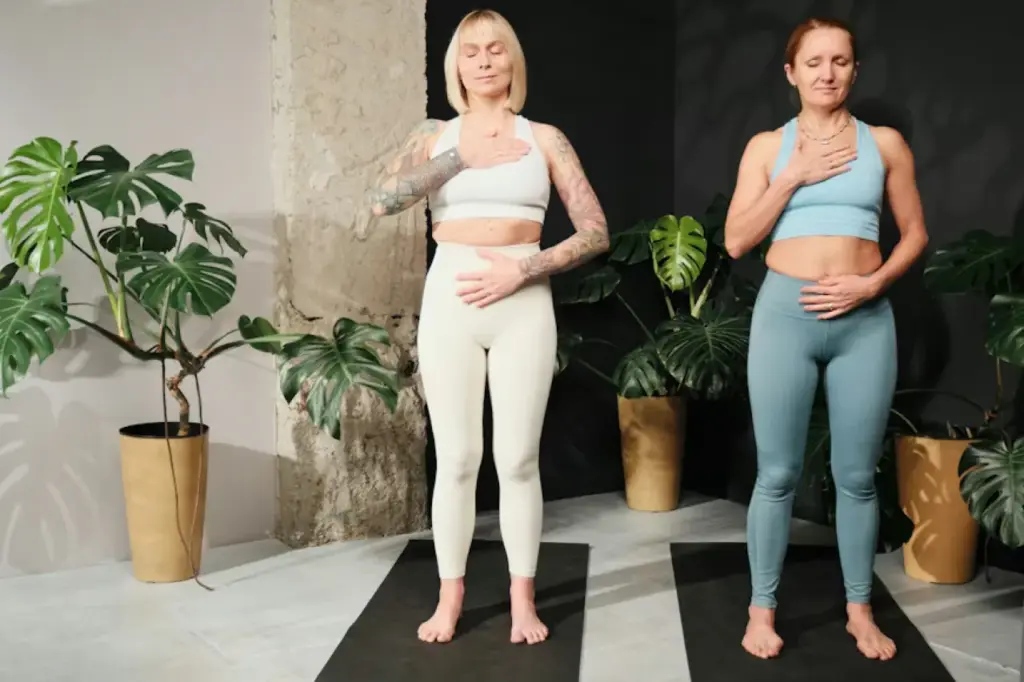
- Position: Lie on your back with knees bent and feet flat (or place a pillow under your knees for low back support). Place one hand on your chest and the other on your belly button.
- Inhale: Breathe slowly and deeply through your nose. You should feel the hand on your belly rise, while the hand on your chest remains still. Imagine the air flowing all the way down to your hips, gently relaxing the pelvic floor.
- Exhale: Sigh gently out of your mouth. Feel the belly flatten and the pelvic floor gently lift up, like an elevator returning to the ground floor.
Therefore, dedicate five minutes every morning and evening to this practice. In addition to relieving pelvic tension, this deep breathwork stimulates the vagus nerve, helping to switch your body from "fight-or-flight" to "rest-and-digest."
Daily Technique 2: Coordinating Breath with Movement 🏃♀️
Once you master breathing while lying still, the next step is integrating it into everyday activities like lifting, standing or exercising. This coordination is essential for preventing leaks and protecting your back.
Always exhale on the effort or the hardest part of the movement.
- Lifting a Child/Bag: Inhale to prepare, then exhale as you lift. This uses the natural upward draw of the pelvic floor to brace your core and prevent downward pressure.
- Getting Out of a Chair: Inhale while sitting, then exhale as you push up to stand.
- During a Squat/Lunge: Inhale on the way down, then exhale on the way up.
Ultimately, this simple rule, exhale on the effort. It provides the functional core support often missing in traditional exercise. It's crucial for maximizing the benefits of breathing for pelvic health.
When to Seek Further Guidance 🩺
Although these techniques are highly beneficial, they are not a cure for all pelvic dysfunction. If you experience persistent leakage, pain or difficulty with bladder control, consult a pelvic floor physical therapist. They can assess whether you are dealing with weakness (hypotonicity) or tightness (hypertonicity) and recommend specialized techniques or tools. Moreover, you can find medically-backed information on the connection between breath and core stability on the National Institutes of Health (NIH) website.
For tailored support, consider exploring Intimate Wellness aids that can enhance awareness during these exercises, making your practice more effective.

🌸 LUNAYA NOTE
Your breath is your constant connection to your inner self and your pelvic floor. You are not broken. Healing is allowed and simply dedicating five minutes a day to conscious breathing is a powerful, radical act of self-care. Awareness is power. Trust that your body, exactly as it is today, is valid and deserving of gentle strength.
Explore Lunaya's Collections now! 🌙
The secret to a calmer, stronger pelvic floor isn't found in aggressive squeezing, it's found in your breath. Mastering proper breathing for pelvic health is perhaps the most simple yet profound technique you can adopt daily. Think of your pelvic floor and your diaphragm (your main breathing muscle) as two sides of a coin: they are intrinsically linked and must move together for optimal core function.
This connection is vital because when you hold stress, you often hold your breath high in your chest, causing chronic tension or paninigas (tension), throughout your trunk, including your pelvic floor. This subtle, constant bracing prevents proper muscular relaxation. This guide will introduce you to simple, daily techniques that harness the power of your breath to make a major difference in pelvic tone and overall wellness.
The Diaphragm and Pelvic Floor: A Core Partnership 🤝
The diaphragm sits at the base of your ribcage, acting like a dome. When you inhale deeply, the diaphragm flattens downward. Conversely, when you exhale, the diaphragm moves back up.
The Truth: Because of fascial and pressure connections, your pelvic floor mirrors this movement. On the inhale, as the diaphragm moves down, the pelvic floor gently stretches, relaxes, and lengthens. On the exhale, as the diaphragm moves up, the pelvic floor naturally contracts and lifts.
Why Chest Breathing Causes Pelvic Tension 😔
When stress or poor posture causes you to breathe shallowly into your chest, the diaphragm barely moves. Consequently, the pelvic floor never gets the gentle, rhythmic massage and stretching it needs. This results in two common problems:
- Hypertonicity (Too Tight): The lack of relaxation on the inhale leads to chronic tightness, mimicking conditions like back pain.
- Hypotonicity (Too Weak): Without the passive, natural lift on the exhale, the muscles lose their functional tone over time.
Daily Technique 1: Diaphragmatic or Belly Breathing 🧘♀️
This technique is the foundation of effective breathing for pelvic health and should be practiced daily to retrain your core system.
- Position: Lie on your back with knees bent and feet flat (or place a pillow under your knees for low back support). Place one hand on your chest and the other on your belly button.
- Inhale: Breathe slowly and deeply through your nose. You should feel the hand on your belly rise, while the hand on your chest remains still. Imagine the air flowing all the way down to your hips, gently relaxing the pelvic floor.
- Exhale: Sigh gently out of your mouth. Feel the belly flatten and the pelvic floor gently lift up, like an elevator returning to the ground floor.
Therefore, dedicate five minutes every morning and evening to this practice. In addition to relieving pelvic tension, this deep breathwork stimulates the vagus nerve, helping to switch your body from "fight-or-flight" to "rest-and-digest."
Daily Technique 2: Coordinating Breath with Movement 🏃♀️
Once you master breathing while lying still, the next step is integrating it into everyday activities like lifting, standing or exercising. This coordination is essential for preventing leaks and protecting your back.
Always exhale on the effort or the hardest part of the movement.
- Lifting a Child/Bag: Inhale to prepare, then exhale as you lift. This uses the natural upward draw of the pelvic floor to brace your core and prevent downward pressure.
- Getting Out of a Chair: Inhale while sitting, then exhale as you push up to stand.
- During a Squat/Lunge: Inhale on the way down, then exhale on the way up.
Ultimately, this simple rule, exhale on the effort. It provides the functional core support often missing in traditional exercise. It's crucial for maximizing the benefits of breathing for pelvic health.
When to Seek Further Guidance 🩺
Although these techniques are highly beneficial, they are not a cure for all pelvic dysfunction. If you experience persistent leakage, pain or difficulty with bladder control, consult a pelvic floor physical therapist. They can assess whether you are dealing with weakness (hypotonicity) or tightness (hypertonicity) and recommend specialized techniques or tools. Moreover, you can find medically-backed information on the connection between breath and core stability on the National Institutes of Health (NIH) website.
For tailored support, consider exploring Intimate Wellness aids that can enhance awareness during these exercises, making your practice more effective.
🌸 LUNAYA NOTE
Your breath is your constant connection to your inner self and your pelvic floor. You are not broken. Healing is allowed and simply dedicating five minutes a day to conscious breathing is a powerful, radical act of self-care. Awareness is power. Trust that your body, exactly as it is today, is valid and deserving of gentle strength.
Explore Lunaya's Collections now! 🌙
The secret to a calmer, stronger pelvic floor isn't found in aggressive squeezing, it's found in your breath. Mastering proper breathing for pelvic health is perhaps the most simple yet profound technique you can adopt daily. Think of your pelvic floor and your diaphragm (your main breathing muscle) as two sides of a coin: they are intrinsically linked and must move together for optimal core function.
This connection is vital because when you hold stress, you often hold your breath high in your chest, causing chronic tension or paninigas (tension), throughout your trunk, including your pelvic floor. This subtle, constant bracing prevents proper muscular relaxation. This guide will introduce you to simple, daily techniques that harness the power of your breath to make a major difference in pelvic tone and overall wellness.
The Diaphragm and Pelvic Floor: A Core Partnership 🤝
The diaphragm sits at the base of your ribcage, acting like a dome. When you inhale deeply, the diaphragm flattens downward. Conversely, when you exhale, the diaphragm moves back up.
The Truth: Because of fascial and pressure connections, your pelvic floor mirrors this movement. On the inhale, as the diaphragm moves down, the pelvic floor gently stretches, relaxes, and lengthens. On the exhale, as the diaphragm moves up, the pelvic floor naturally contracts and lifts.
Why Chest Breathing Causes Pelvic Tension 😔
When stress or poor posture causes you to breathe shallowly into your chest, the diaphragm barely moves. Consequently, the pelvic floor never gets the gentle, rhythmic massage and stretching it needs. This results in two common problems:
- Hypertonicity (Too Tight): The lack of relaxation on the inhale leads to chronic tightness, mimicking conditions like back pain.
- Hypotonicity (Too Weak): Without the passive, natural lift on the exhale, the muscles lose their functional tone over time.
Daily Technique 1: Diaphragmatic or Belly Breathing 🧘♀️
This technique is the foundation of effective breathing for pelvic health and should be practiced daily to retrain your core system.
- Position: Lie on your back with knees bent and feet flat (or place a pillow under your knees for low back support). Place one hand on your chest and the other on your belly button.
- Inhale: Breathe slowly and deeply through your nose. You should feel the hand on your belly rise, while the hand on your chest remains still. Imagine the air flowing all the way down to your hips, gently relaxing the pelvic floor.
- Exhale: Sigh gently out of your mouth. Feel the belly flatten and the pelvic floor gently lift up, like an elevator returning to the ground floor.
Therefore, dedicate five minutes every morning and evening to this practice. In addition to relieving pelvic tension, this deep breathwork stimulates the vagus nerve, helping to switch your body from "fight-or-flight" to "rest-and-digest."
Daily Technique 2: Coordinating Breath with Movement 🏃♀️
Once you master breathing while lying still, the next step is integrating it into everyday activities like lifting, standing or exercising. This coordination is essential for preventing leaks and protecting your back.
Always exhale on the effort or the hardest part of the movement.
- Lifting a Child/Bag: Inhale to prepare, then exhale as you lift. This uses the natural upward draw of the pelvic floor to brace your core and prevent downward pressure.
- Getting Out of a Chair: Inhale while sitting, then exhale as you push up to stand.
- During a Squat/Lunge: Inhale on the way down, then exhale on the way up.
Ultimately, this simple rule, exhale on the effort. It provides the functional core support often missing in traditional exercise. It's crucial for maximizing the benefits of breathing for pelvic health.
When to Seek Further Guidance 🩺
Although these techniques are highly beneficial, they are not a cure for all pelvic dysfunction. If you experience persistent leakage, pain or difficulty with bladder control, consult a pelvic floor physical therapist. They can assess whether you are dealing with weakness (hypotonicity) or tightness (hypertonicity) and recommend specialized techniques or tools. Moreover, you can find medically-backed information on the connection between breath and core stability on the National Institutes of Health (NIH) website.
For tailored support, consider exploring Intimate Wellness aids that can enhance awareness during these exercises, making your practice more effective.
🌸 LUNAYA NOTE
Your breath is your constant connection to your inner self and your pelvic floor. You are not broken. Healing is allowed and simply dedicating five minutes a day to conscious breathing is a powerful, radical act of self-care. Awareness is power. Trust that your body, exactly as it is today, is valid and deserving of gentle strength.
Explore Lunaya's Collections now! 🌙


